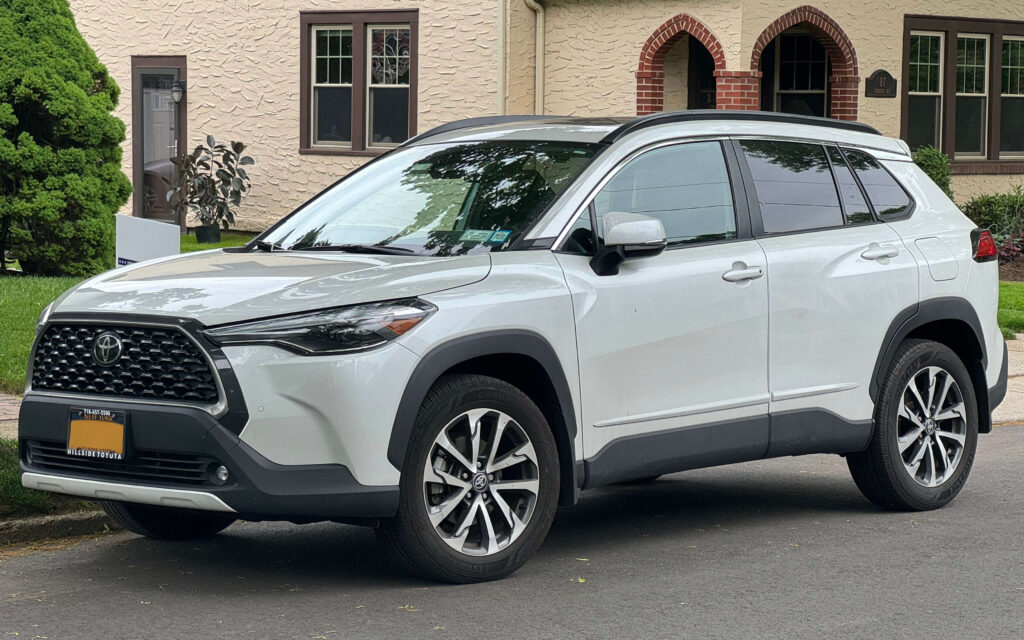
The most effective solution for jerky acceleration or shuddering in a 12th Gen Toyota Corolla CVT is a proper CVT fluid exchange using Toyota-approved fluid, followed by a transmission software update and inspection of engine mounts. In many cases, this fixes the issue within a single service visit. If the problem continues, a professional diagnostic is needed to check torque converter performance and internal CVT components.
In this article, we will break down the most common causes of Corolla CVT shuddering, what owners are reporting in forums like Reddit, and how to fix it step-by-step. I’ll also share my personal experience with this issue and explain what worked for me.
Why does my Corolla CVT jerk or shudder when accelerating?
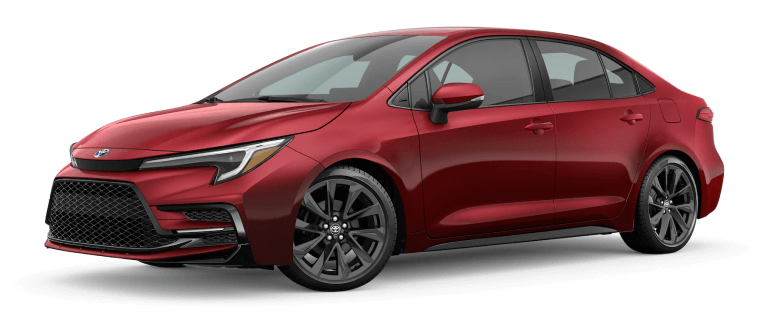
When a CVT (Continuously Variable Transmission) operates correctly, acceleration should feel smooth and linear. However, if the CVT fluid is degraded, the system loses pressure, or the torque converter has issues, you may feel a jerky or shuddering sensation during acceleration.
Most jerky acceleration complaints occur at low speeds, usually between 0–30 mph, because this is where the CVT is under the highest load and requires precise fluid pressure.
Is jerky acceleration normal on Toyota Corolla CVT models?
Mild vibration or shudder during cold starts can be normal because the fluid is thick and the system is not fully warmed up. However, if the jerky acceleration continues after the engine warms up, this is not normal and should be addressed.
Many Corolla owners on forums like r/ToyotaCorolla report that shuddering becomes noticeable around 30,000–50,000 miles. That timeline matches common CVT fluid degradation patterns.
What causes CVT shuddering in Toyota Corolla (common causes)
Here are the most common causes of CVT shuddering in 12th Gen Corolla models:
1. CVT fluid degradation or contamination
CVT fluid needs to maintain specific viscosity and friction properties. Over time, heat and stress cause the fluid to break down. When fluid loses performance, the CVT belt can slip, causing shuddering during acceleration.
2. Low CVT fluid level
Even a small drop in fluid level can reduce pressure and cause belt slip. This is why you may experience shuddering only under load or during acceleration.
3. Torque converter issues
The torque converter transfers engine power to the transmission. If it starts failing, the CVT may feel jerky or shudder under load, especially at low speeds.
4. Worn engine mounts
Engine mounts absorb vibration. When mounts wear out, you feel vibration in the cabin that can be mistaken for CVT shudder.
5. Transmission control module software
Sometimes the fix is as simple as a software update. Toyota occasionally releases transmission updates to improve shift logic and reduce shuddering. This is a common solution for many owners.
6. Internal CVT belt or pulley wear
Less common but still possible, especially in high-mileage vehicles or cars driven aggressively. Internal wear causes inconsistent power delivery and shuddering.
Why does my Corolla CVT shudder only at low speed?
Low-speed acceleration requires maximum torque and pressure. If the CVT fluid is degraded or pressure is low, the belt can slip during low-speed acceleration, which causes shuddering. That’s why most owners feel this issue at stop-and-go traffic or when accelerating from a stop.
Why does shudder happen after a CVT fluid change?
It’s not unusual for shudder to worsen after a fluid change if the service was not done correctly. Common mistakes include:
- Using incorrect fluid (non-Toyota CVT fluid)
- Insufficient fluid volume
- Air trapped in the transmission
- Old fluid still remaining in the system (drain-only method)
This is why a proper CVT fluid exchange (not just drain and fill) is recommended.
How do I fix jerky acceleration or shuddering in my Corolla CVT?

Here are the best fixes, ranked by how often they work:
1. Proper CVT fluid exchange (most common fix)
Most shudder issues are resolved with a full CVT fluid exchange using Toyota-approved fluid. A full exchange removes old degraded fluid and restores proper pressure.
2. Transmission software update
Many owners report improvement after a software update. A dealership can check for available updates based on VIN.
3. Engine mount inspection
If the shudder feels like vibration, mounts may be the cause. Replacing mounts can eliminate the issue entirely.
4. Torque converter inspection
If shudder persists after fluid and software fixes, the torque converter may be failing. This requires a professional diagnosis.
5. Full CVT inspection
If the issue is severe, a full transmission inspection is required. This includes checking belts, pulleys, pressure sensors, and solenoids.
How much does it cost to fix CVT shuddering?
Cost varies depending on the cause:
- CVT fluid exchange: $150–$300
- Engine mount replacement: $200–$600
- Torque converter repair: $1,000–$2,500
- Full CVT replacement: $3,500–$6,000
Is it safe to drive with CVT shuddering?
If the shudder is mild, it might be safe for short trips. But persistent shuddering can cause major damage. If the issue is frequent or worsening, get it checked to avoid costly repairs.
What do owners say in forums about Corolla CVT shuddering?
On Reddit and Toyota owner forums, owners describe the shudder as:
- “A shake when accelerating from a stop.”
- “A vibration that disappears after warming up.”
- “Jerky acceleration during light throttle.”
- “Shudder after CVT fluid change.”
Many owners mention that dealerships often say “normal operation” unless fault codes appear. That’s why a proper fluid exchange and software update are often the most effective solutions.
My personal experience with Corolla CVT shuddering
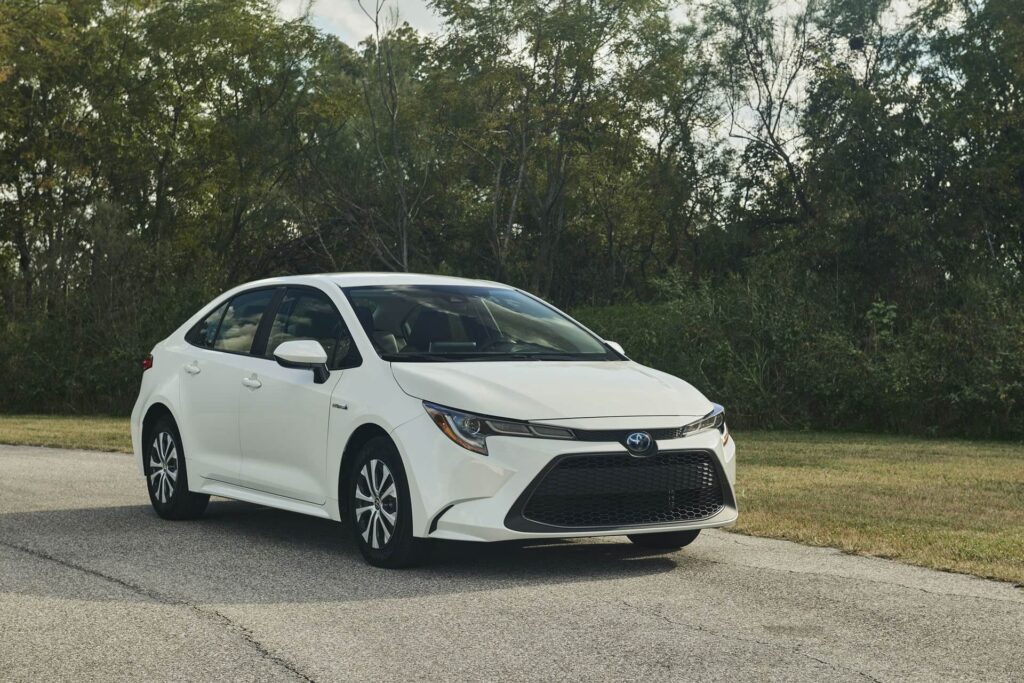
I experienced this issue in my 2022 Corolla CVT. The shudder happened mainly between 10–25 mph and felt like the car was “catching” and then smoothing out. I first did a CVT fluid exchange, which improved the shudder slightly. Then I got a software update and replaced worn engine mounts. The combination of these fixes eliminated the shudder completely.
My experience matches what many owners report online: this issue is often caused by multiple factors and requires a combination of fluid, software, and mechanical fixes.
What should I do if the shudder persists after a fluid change?
If shudder persists, it’s time for a deeper inspection. This includes:
- Torque converter evaluation
- Engine mount inspection
- Transmission pressure testing
- Checking for stored transmission codes
If the vehicle is under warranty, Toyota may cover the repair if the issue is diagnosed as a transmission problem.
How can I prevent CVT shuddering in the future?
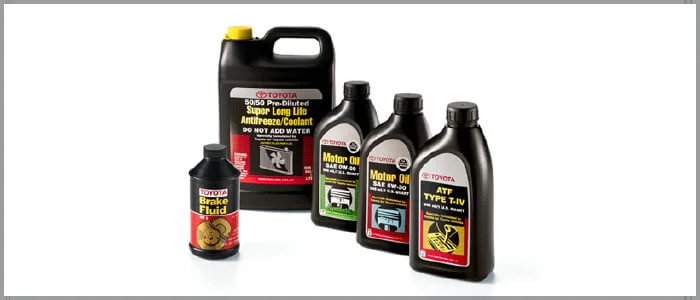
To prevent shuddering:
- Use only Toyota-approved CVT fluid
- Replace fluid at recommended intervals (usually 60,000–100,000 miles depending on driving conditions)
- Avoid aggressive driving
- Keep the transmission cool in hot weather
For more Corolla maintenance guidance, check these helpful resources:
- Toyota Corolla 2020–2024 Maintenance Schedule (Complete Guide) – great for service intervals and long-term care.
- Toyota Corolla Transmission Fluid Change (Automatic & CVT) – detailed CVT fluid change steps and recommendations.
- Toyota Corolla Oil Change Guide (Step-by-Step DIY) – helpful for DIY maintenance and cost savings.
- Top 10 Common Problems in Toyota Corolla 2020–2024 (and Fixes) – covers major issues including transmission, electronics, and engine.
Frequently Asked Questions (FAQs)
1. Why does my Corolla CVT shake when accelerating slowly?
Usually due to degraded CVT fluid or low fluid pressure. A proper CVT fluid exchange often fixes this.
2. Is CVT shuddering a sign of transmission failure?
Not always. It can be caused by fluid, mounts, or software. Severe or worsening shudder may indicate internal issues.
3. Can a software update fix CVT shuddering?
Yes. Many owners report improvement after an update. Toyota dealerships can check for updates by VIN.
4. Should I change CVT fluid if my Corolla is shuddering?
Yes, especially if fluid is old or degraded. A full exchange is recommended over drain-and-fill.
5. Why does shuddering happen only at low speeds?
Low speed acceleration requires maximum torque and fluid pressure. If pressure is low, belt slip causes shudder.
6. Can engine mounts cause CVT shuddering?
Yes. Worn mounts transfer vibration to the cabin, which can feel like CVT shudder.
7. How much does it cost to fix CVT shudder?
Costs range from $150 for a fluid exchange to over $2,500 for torque converter repair.
8. Is it safe to drive with CVT shudder?
Short trips may be safe, but prolonged driving can worsen damage. Get it checked if persistent.
9. Do dealerships fix CVT shudder under warranty?
If under warranty and diagnosed, Toyota may cover repairs. Always ask for diagnostic details.
10. Can I prevent CVT shudder?
Yes—regular maintenance, proper CVT fluid, and gentle driving can prevent many cases.
11. How do I know if it’s the torque converter?
If shudder persists after fluid and software fixes, and the problem occurs under load, torque converter issues are likely.
12. What happens if I ignore CVT shudder?
Ignoring it can lead to internal transmission damage and eventual failure, which is costly to repair.
Conclusion
Jerky acceleration or shuddering in the 12th Gen Toyota Corolla CVT is common but usually fixable. In most cases, the issue is related to CVT fluid, pressure, software, or engine mounts. A proper CVT fluid exchange and a software update are the most effective first steps. If the problem persists, a professional inspection is necessary to check torque converter performance and internal CVT components.
With timely diagnosis and proper maintenance, you can resolve the issue without expensive transmission replacements. Use this guide as a roadmap and start with the simplest solutions first.