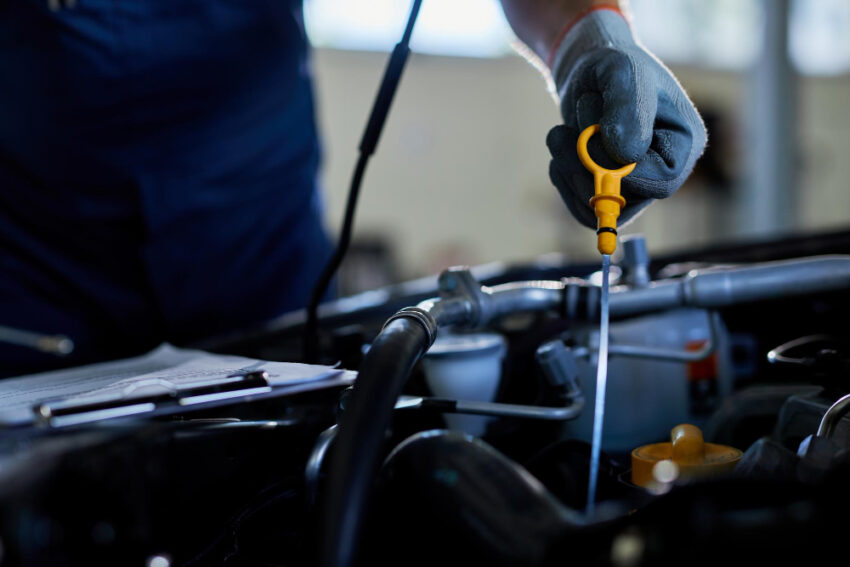
If you own a 12th generation Toyota Corolla (model years 2020–2024) or are considering buying one,
you’ve probably asked yourself a simple but important question:
Do these Corollas burn oil?
Toyota has built its reputation on reliability, low running costs, and long engine life.
The Corolla, in particular, is one of the most popular and best-selling compact sedans in the United States.
However, across owner forums, Reddit discussions, and automotive communities, you may occasionally see complaints about oil consumption.
Some drivers say they never lose a drop between oil changes, while others report having to top off oil before their next scheduled service.
This naturally leads to confusion: Is oil consumption normal? Is the engine “burning oil”? Is this a defect?
Or is it simply part of how modern fuel-efficient engines operate?
In this in-depth guide, we’ll explore:
- What oil consumption and oil burning really mean
- How modern Toyota engines are designed
- Real-world owner experiences
- Common mechanical causes of oil burning
- How much oil usage is considered normal
- How to monitor oil levels correctly
- What Toyota covers under warranty
- Long-term reliability of the 12th gen Corolla engines
- Best maintenance practices to reduce oil issues
By the end, you’ll have a clear picture of whether oil burning is something you should worry about with your Corolla — and what to do if you notice unusual oil usage.
Oil Consumption vs. Oil Burning: Understanding the Difference
One of the biggest sources of confusion among car owners is the difference between oil consumption and oil burning.
The two are related, but they are not exactly the same thing.
- Oil Consumption: This refers to the gradual decrease in engine oil level over time.
All engines consume some oil as part of normal operation. Small amounts of oil lubricate cylinder walls, piston rings,
valve guides, and other internal components. Over thousands of miles, a slight drop in oil level is expected. - Oil Burning: This refers to oil entering the combustion chamber in larger quantities and being burned along with fuel.
This usually produces visible blue or gray smoke from the exhaust and often leads to noticeable oil loss over relatively short distances.
In short:
A small amount of oil consumption is normal.
Frequent oil top-offs, warning lights, or visible smoke are not.
How Modern Toyota Engines Are Designed
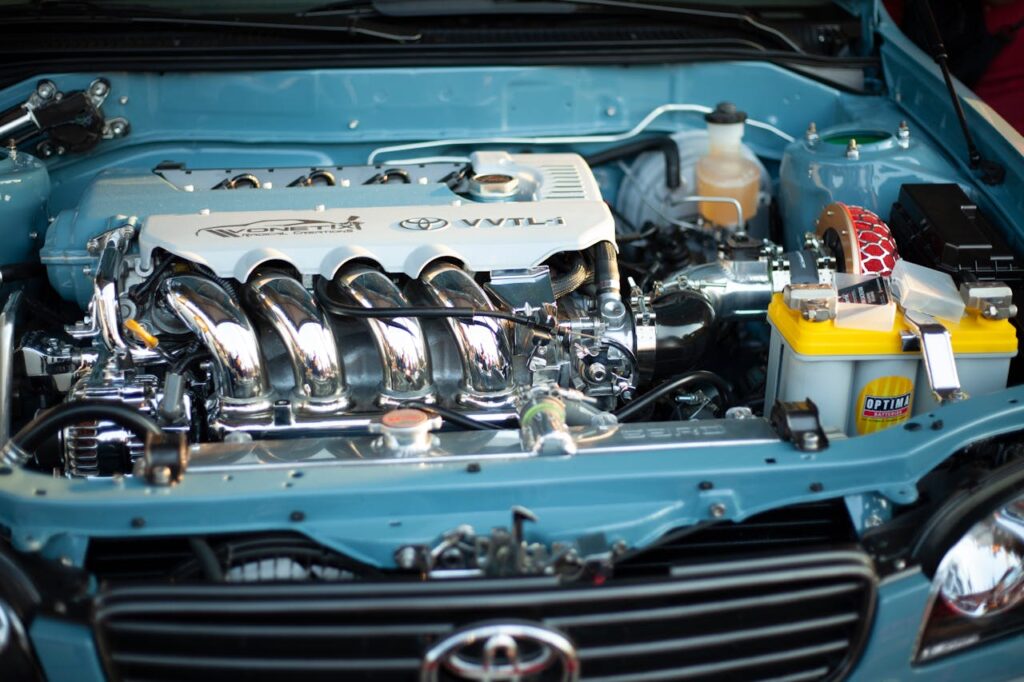
To understand why some oil consumption can occur even in healthy engines, it helps to understand how modern engines are built.
Toyota’s newer engines are designed with a strong focus on fuel efficiency and emissions compliance.
This includes the use of:
- Low-friction piston rings
- Lightweight internal components
- Tighter tolerances for reduced mechanical drag
- Lower-viscosity engine oils (such as 0W-16 or 0W-20)
These design choices reduce friction inside the engine, which improves fuel economy and helps meet emissions standards.
However, the tradeoff is that very small amounts of oil may pass the piston rings and enter the combustion chamber,
especially under high load, sustained high RPM, or during engine break-in.
Toyota explains its focus on efficiency and emissions reduction in its engine development here:
Toyota Engine Efficiency Overview
Automotive experts also point out that engines are not designed to “burn oil” as a feature.
If an engine consumes excessive oil at low mileage, it typically points to a mechanical issue rather than normal design behavior:
Car and Driver – Engine Oil Consumption Explained
Real Owner Experiences With 12th Gen Corolla Oil Use
One of the most valuable sources of information comes from real owners who live with these cars every day.
Across Reddit, ToyotaNation, and other owner communities, the majority of 12th gen Corolla owners report little to no noticeable oil loss between changes.
Owner communities:
Many owners report checking their oil every few thousand miles and seeing the level remain close to the full mark.
This is what most people would consider normal operation.
Some owners note a small drop in oil level over a full 5,000–10,000 mile oil change interval, which is generally not concerning.
However, there are occasional reports of higher-than-normal oil consumption.
In rare cases, owners have documented dealership inspections confirming oil consumption beyond Toyota’s acceptable thresholds.
An example discussion can be found here:
ToyotaNation – Oil Consumption Case
It’s important to understand that online forums naturally attract people who are experiencing problems.
The vast majority of Corolla owners who never have oil issues don’t post about it.
As a result, problem reports can appear more common than they actually are.
Common Mechanical Causes of Oil Burning

If a Corolla (or any modern car) does start consuming oil at an abnormal rate, there are several potential mechanical causes.
These issues are not unique to Toyota and can occur in any internal combustion engine.
1. Piston Ring Wear or Carbon Buildup
Piston rings are designed to seal the combustion chamber and scrape excess oil off the cylinder walls.
Over time, carbon deposits can build up in the ring grooves, reducing their ability to seal properly.
When this happens, oil can slip past the rings and burn during combustion.
Symptoms and explanation:
Piston Ring Failure Symptoms – YourMechanic
2. Valve Stem Seal Deterioration
Valve stem seals prevent oil from leaking into the combustion chamber through the intake and exhaust valves.
As engines age and heat cycles accumulate, these seals can harden or crack.
When this happens, oil may drip into the cylinders, especially during cold starts or extended idling.
More details:
Valve Stem Seal Symptoms – YourMechanic
3. PCV Valve Issues
The Positive Crankcase Ventilation (PCV) system regulates pressure inside the engine and routes blow-by gases back into the intake.
If the PCV valve becomes clogged or fails, it can cause excessive crankcase pressure or vacuum, pulling oil into the intake tract and increasing oil consumption.
PCV valve symptoms:
PCV Valve Failure Symptoms – YourMechanic
4. Incorrect Oil Viscosity or Poor-Quality Oil
Using oil that is too thin, too thick, or of poor quality can affect how well the oil seals and lubricates internal components.
Toyota specifies exact oil grades for each engine variant to ensure proper lubrication and minimize consumption.
Toyota’s official oil recommendations:
Toyota Oil Specifications
How Much Oil Consumption Is Considered Normal?
There is no universally agreed-upon number for “acceptable” oil consumption, but most industry experts agree on some general guidelines.
Consumer Reports and Edmunds note that consuming more than about one quart of oil every 1,000 to 2,000 miles is typically considered excessive and should be investigated:
In practical terms, if you need to add oil frequently between normal service intervals, that is a sign that something may be wrong.
How to Check and Monitor Your Oil Correctly
Monitoring your oil level is simple but often overlooked.
Regular checks can help you detect problems early before they become expensive repairs.
- Park your Corolla on level ground.
- Allow the engine to warm up, then shut it off and wait a few minutes.
- Remove the dipstick, wipe it clean, reinsert it, and remove it again.
- Record the oil level and mileage.
- Repeat this process every 500–1,000 miles.
Keeping a simple log of oil level versus mileage can be extremely helpful if you ever need to discuss oil consumption with a dealership or mechanic.
Warning Signs That Indicate Oil Burning
Some symptoms strongly suggest oil is being burned rather than simply consumed gradually:
- Blue or gray smoke from the exhaust
- A burning oil smell after driving
- Oil warning light coming on frequently
- Noticeable drop in oil level over short distances
Blue smoke explanation:
J.D. Power – Blue Smoke from Exhaust
Does Toyota Cover Oil Consumption Issues Under Warranty?
Toyota has acknowledged oil consumption issues in certain engines and model years in the past.
In some cases, Technical Service Bulletins (TSBs) and warranty extensions have been issued for specific engine families.
You can check current recalls and service campaigns here:
If your Corolla is still under warranty and your dealership documents excessive oil consumption, certain repairs may be covered.
Policies vary by region, mileage, and warranty status, so it’s always best to have official diagnostic testing performed.
Long-Term Reliability of the 12th Gen Corolla Engine
Overall, the 12th generation Corolla engines have a strong reliability record.
Compared to some older Toyota engines that were known for oil consumption issues in the late 2000s and early 2010s,
the newer engines show far fewer systemic oil-burning complaints.
Long-term complaint data and owner reports can be reviewed at:
Best Practices to Minimize Oil Consumption
- Use the exact oil viscosity specified by Toyota.
- Change oil at recommended intervals (or slightly earlier for severe driving conditions).
- Avoid consistently driving at very high RPMs when the engine is cold.
- Address check engine lights promptly.
- Replace the PCV valve at recommended intervals.
- Periodically inspect for external oil leaks.
Conclusion: Should You Worry About Oil Burning in the 12th Gen Corolla?
For most owners, the answer is no.
Mild oil consumption in the 12th gen Toyota Corolla is generally normal and does not indicate a problem.
The vast majority of these vehicles do not suffer from serious oil burning issues.
However, if you notice frequent oil top-offs, visible exhaust smoke, or warning lights, it’s important to investigate the issue early.
Modern engines are durable, but ignoring oil-related problems can lead to expensive repairs over time.
With proper maintenance, regular oil checks, and attention to early warning signs, your 12th gen Corolla should deliver many years of reliable, low-cost ownership.
Check out our other articles on 12th generation Toyota Corolla commons issues and fixes:
- Toyota Corolla 12th Gen Recalls List – What Owners Should Check Right Now
- Toyota Corolla 12th Gen CVT Whining Noise at Low Speed – Causes & Fixes
- How to fix Toyota Corolla Infotainment Screen Lag or Freezing (2019–2024)
- 12th Generation Toyota Corolla Jerky Acceleration or Shuddering (CVT Models Explained)
- Toyota Corolla Door Lock Not Working on One Side (Common 12th Gen Issue)
- 12th Generation Toyota Corolla Interior Rattling Noise While Driving – Dashboard & Door Fixes
- How to fix 12th Gen Toyota Corolla Steering Wheel Clicking or Play
- 12th Generation Toyota Corolla Sudden or Hard Braking Problem – Toyota Safety Sense Explained