If you drive a 12th generation Toyota Corolla (model years 2020–2024) and have experienced clunks, rattles, squeaks, or thuds from the rear over bumps, you’re not alone.
12th gen Corolla rear suspension noise is one of the most frequently discussed comfort complaints among owners, especially in regions with potholes, speed bumps, uneven pavement, and temperature swings.
While the Corolla is engineered for durability and low running costs, suspension components are wear items—and noise is often the first symptom of wear, looseness, or degraded rubber.
This comprehensive guide dives deep into the real-world causes of 12th gen Corolla rear suspension noise, how to diagnose it accurately, what Toyota’s design choices mean for long-term NVH (noise, vibration, harshness), and which fixes deliver the best value.
You’ll also find facts, figures, and statistics from reliable automotive sources, owner community insights, safety implications, cost breakdowns, and preventive maintenance strategies that help keep your Corolla quiet and composed.
Why the 12th Gen Corolla’s Rear Suspension Can Develop Noise
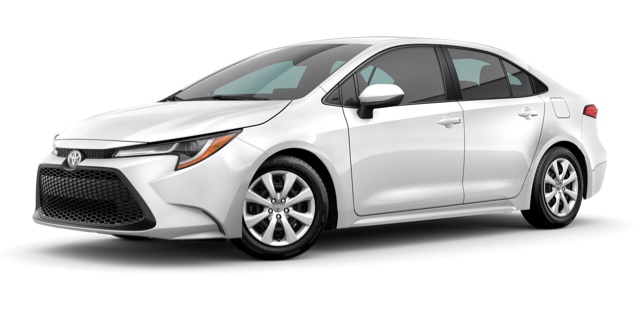
Most 12th gen Corolla trims sold in North America use a rear torsion beam suspension. This design is compact, cost-effective, and durable for daily driving.
Some global-market variants and performance-oriented trims may use different configurations, but the torsion beam dominates due to packaging efficiency and predictable handling.
From an engineering standpoint, torsion beam setups have fewer moving joints than multi-link systems, but the components they do use—shock absorbers, bushings, sway bar links (on trims equipped with a rear stabilizer), springs, mounts, and fasteners—still experience wear.
Over time, rubber hardens, bushings compress, fasteners relax, and dampers lose effectiveness. This combination leads to micro-movements that translate into audible noise over sharp inputs.
Road quality is a major multiplier. According to the American Society of Civil Engineers (ASCE), nearly 43% of U.S. public roads are in poor or mediocre condition, with potholes and broken pavement common in urban corridors.
Repeated impacts accelerate bushing wear and damper fatigue, increasing the likelihood of 12th gen Corolla rear suspension noise even on relatively new vehicles.
For Toyota’s own maintenance guidance and service information related to suspension inspections, refer to the official owner resources:
Toyota Owners Maintenance Resources
12th Gen Corolla Rear Suspension Noise: Most Common Mechanical Causes
1) Worn or Fading Rear Shock Absorbers
Rear shocks control vertical motion. As they age, internal seals wear and damping oil aerates or leaks. The result is excessive rebound over bumps and a hollow “thud” or “clunk” when the suspension tops out.
Industry testing by Consumer Reports shows that damper effectiveness can degrade significantly by 50,000–70,000 miles under harsh conditions, even if leaks are not visible.
Learn how worn dampers affect ride and safety:
Consumer Reports: Worn Shocks and Struts
2) Sway Bar Links and Stabilizer Bushings (If Equipped)
On trims with a rear stabilizer, worn sway bar end links are a top cause of sharp clunks over one-wheel bumps. The ball sockets develop play, creating an audible knock as the bar loads and unloads.
Rubber stabilizer bushings can also dry out, producing squeaks in cold weather.
General symptoms and inspection tips:
YourMechanic: Bad Sway Bar Link Symptoms
3) Aged Rubber Bushings (Beam Mounts and Shock Mounts)
Rubber isolates vibration. Over time, ozone exposure, heat cycles, and road grime harden rubber, reducing compliance.
When bushings lose elasticity, they transmit impact energy into the body, producing squeaks or creaks over speed bumps and driveway ramps.
4) Loose or Under-Torqued Fasteners
Fasteners can relax after repeated heat cycles and impacts. Even a slightly loose lower shock bolt can cause intermittent rattles that mimic internal damper failure.
Proper torque to factory spec is essential after any suspension service.
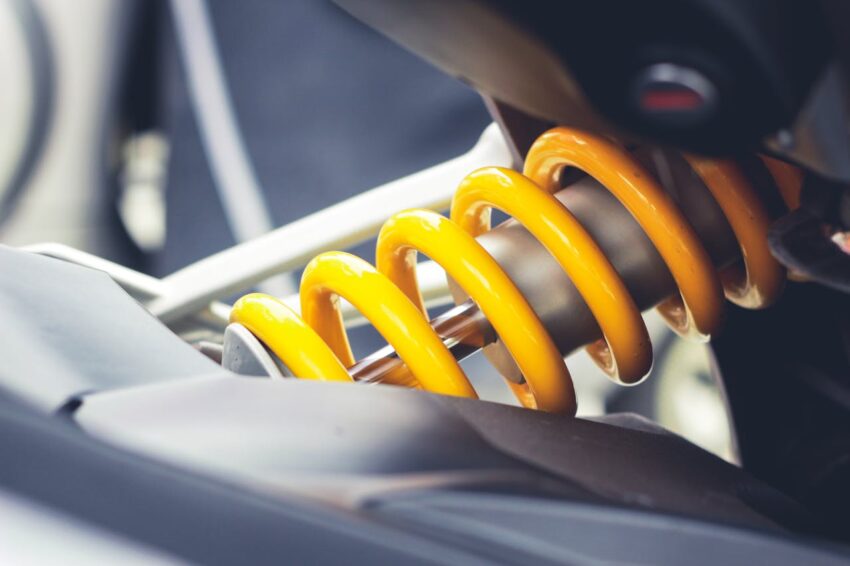
5) Rear Coil Springs (Sagging or Micro-Fractures)
Coil springs rarely fail outright, but corrosion and fatigue can cause subtle height loss. When ride height drops, suspension geometry changes and components operate outside ideal ranges, increasing noise over sharp inputs.
6) Exhaust Hangers and Heat Shields
Not all rear-end noise is suspension-related. Rubber exhaust hangers can stretch or tear, letting the muffler tap the underbody over bumps.
Loose heat shields can also rattle, often misdiagnosed as 12th gen Corolla rear suspension noise.
7) Tires and Wheel Bearings (Noise That “Feels” Like Suspension)
Cupped tires and worn rear wheel bearings produce humming or droning that rises with speed. This can be mistaken for suspension noise, especially on coarse pavement.
Edmunds explains how wheel bearing noise presents and how to diagnose it:
Edmunds: Humming Noise Causes
Common Noise Types and What They Mean
- Clunk over single-wheel bumps: Often sway bar links or lower shock bolts.
- Squeak on cold mornings: Dry bushings or shock mounts.
- Rattle on rough pavement: Loose exhaust hanger or heat shield.
- Hollow thud at speed bumps: Fading rear shocks.
- Humming that changes with speed: Tires or wheel bearings.
Real Owner Reports and Community Patterns
Owner communities consistently report 12th gen Corolla rear suspension noise after exposure to potholes or winter salt.
Large owner forums and Reddit threads reveal patterns: sway bar links and bushings are common early fixes; rear shocks are more likely culprits after 40,000–70,000 miles depending on road quality.
Owner discussions and technical threads:
ToyotaNation: 12th Gen Corolla Forum |
Reddit: Toyota Corolla Community
It’s also worth noting that complaint volume tends to spike during winter. Cold temperatures stiffen rubber, amplifying squeaks and creaks until components warm up.
Step-by-Step Diagnosis Checklist (DIY-Friendly)
Step 1: Replicate the Noise
Drive slowly over speed bumps and offset driveway entries to isolate left vs. right. Note whether the noise occurs on compression, rebound, or both.
Step 2: Visual Inspection
Inspect rear shocks for oil seepage, cracked dust boots, and torn mounts. Check sway bar links for play. Look for shiny witness marks around bolts that suggest movement.
Step 3: Hand-Test Components (Safely Lifted Vehicle)
With the rear safely supported, grasp sway bar links and attempt to move them by hand. Any click or free play is suspect. Inspect exhaust hangers for cracks.
Step 4: Eliminate Non-Suspension Sources
Remove loose cargo, verify spare tire and jack are secure, and check heat shields for loose clips.
Step 5: Road Test After Each Fix
Change one variable at a time to confirm the true source of 12th gen Corolla rear suspension noise.
Top Fixes That Actually Work (Cost vs. Benefit)
Replace Rear Shocks (Best Comfort Upgrade)
New dampers restore ride control and often eliminate thuds. Quality aftermarket shocks can improve NVH over factory replacements on rough roads.
Expect $200–$500 installed depending on parts and labor.
Replace Sway Bar Links and Bushings (High ROI)
Links are inexpensive and quick to replace. This fix alone resolves a large share of clunk complaints. Typical installed cost: $80–$150.
Lubricate or Replace Bushings
Temporary relief can be achieved with silicone-safe lubricant. If cracks are visible, replacement is the durable fix. Cost: $150–$400 depending on labor.
Torque Check and Hardware Refresh
A proper torque sweep after suspension service prevents recurring rattles. This is often overlooked after tire rotations or brake work.
Exhaust Hanger Replacement
If the noise is exhaust-related, hangers are cheap and fast to replace ($50–$150 installed).
Is Rear Suspension Noise Dangerous?
Noise alone isn’t immediately dangerous, but it’s an early warning sign. Worn dampers increase stopping distance and reduce tire contact on rough roads.
According to NHTSA safety guidance, compromised suspension components can negatively affect vehicle stability during emergency maneuvers.
Safety resources:
NHTSA: Vehicle Safety Overview
Facts, Figures, and Reliability Context
Toyota Corolla reliability consistently ranks above segment average in long-term ownership surveys. J.D. Power’s dependability studies place Corolla among top compact cars for durability.
However, suspension wear is expected as mileage accumulates—especially in high-impact environments.
Reliability context:
J.D. Power: Toyota Corolla Ratings
Cost Breakdown (Typical U.S. Ranges)
- Sway bar links: $80–$150 installed
- Rear shocks (pair): $200–$500 installed
- Bushings: $150–$400 installed
- Exhaust hangers: $50–$150 installed
- Wheel bearing (rear): $250–$600 installed
Costs vary by region, parts quality, and labor rates. DIY can reduce costs substantially with proper tools and safety practices.
Preventive Maintenance to Keep the Rear Quiet
- Inspect suspension every 12,000 miles or annually.
- Wash undercarriage in winter to reduce salt corrosion.
- Address minor squeaks early before bushings tear.
- Torque-check fasteners after suspension or brake service.
- Maintain tire balance and alignment to reduce NVH.
Toyota’s maintenance guidance:
Toyota Corolla Owner Manuals
Frequently Asked Questions
Why do I hear clunks over bumps?
Most commonly worn sway bar links or fading rear shocks. Both are frequent causes of 12th gen Corolla rear suspension noise.
Is some noise normal as the car ages?
Minor noise can appear with wear, but loud clunks or persistent rattles indicate parts that need attention.
Should I replace shocks in pairs?
Yes. Replacing both rear shocks together preserves balanced handling and ride quality.
Can tires cause rear noise?
Yes. Cupped tires or uneven wear can create hums that feel like suspension noise.
Is winter weather a factor?
Cold temperatures stiffen rubber bushings, increasing squeaks until components warm.
Conclusion: The Best Way to Eliminate 12th Gen Corolla Rear Suspension Noise
12th gen Corolla rear suspension noise is common, understandable, and usually fixable without major expense.
Start with the high-probability items—sway bar links, rear shocks, bushings, and exhaust hangers—then verify fastener torque and eliminate non-suspension sources.
With targeted inspection and timely replacement of wear items, you can restore the quiet, composed ride that makes the Corolla such a dependable daily driver.
Stay proactive with inspections, especially if you drive on rough roads. Early attention saves money, improves comfort, and preserves safety—so your Corolla continues to feel tight and quiet for years to come.
Check out our other articles on 12th generation Toyota Corolla commons issues and fixes:
- Toyota Corolla 12th Gen Recalls List – What Owners Should Check Right Now
- Toyota Corolla 12th Gen CVT Whining Noise at Low Speed – Causes & Fixes
- How to fix Toyota Corolla Infotainment Screen Lag or Freezing (2019–2024)
- 12th Generation Toyota Corolla Jerky Acceleration or Shuddering (CVT Models Explained)
- Toyota Corolla Door Lock Not Working on One Side (Common 12th Gen Issue)
- 12th Generation Toyota Corolla Interior Rattling Noise While Driving – Dashboard & Door Fixes
- How to fix 12th Gen Toyota Corolla Steering Wheel Clicking or Play
- 12th Generation Toyota Corolla Sudden or Hard Braking Problem – Toyota Safety Sense Explained