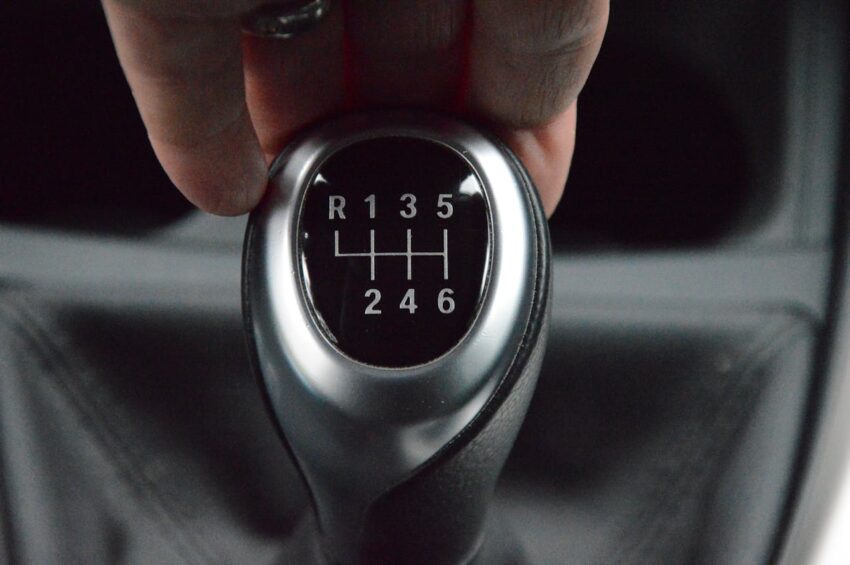
If you own or are thinking about buying a 12th generation Toyota Corolla with a 6-speed manual transmission, one question you may have is: “Does the clutch last?” How reliable is the clutch on a 2020–2024 Corolla? Why are some owners reporting clutch problems? And what should you look for before spending hundreds or even thousands on repairs?
In this in-depth guide, we’ll answer these questions — based on real owner reports on Reddit and Toyota forums, professional insights, and my own experience living with a Corolla manual. We’ll cover common clutch symptoms, causes, diagnostics, fixes, maintenance tips, and when a problem might signal a serious issue.
Introduction: Manual vs Automatic in the 12th Gen Corolla
The 12th Gen Corolla (2020 onward) returned to offering a 6-speed manual transmission (6MT) in certain trims and regions. This manual gearbox is loved by driving enthusiasts for its simplicity, control, and fuel efficiency, especially in a lightweight compact like the Corolla.
Unlike automatic or CVT variants, a manual requires a clutch — the friction device that connects and disconnects the engine from the transmission during gear changes. Good driving habits and routine maintenance typically allow a clutch to last a very long time, sometimes even over 100,000 miles. But not all owners report smooth sailing.
Before we dive into clutch problems, remember that all complex mechanical systems benefit from following Toyota’s recommended checkups and services. You can find the full maintenance schedule for your Corolla here: Toyota Corolla 2020–2024 Maintenance Schedule (Complete Guide).
Understanding the Manual Clutch System
To understand problems, you first need to know how the system works:
- Clutch Disc: The friction plate that engages and disengages power.
- Pressure Plate: Pushes the clutch disc against the flywheel.
- Flywheel: Bolted to the engine and smooths power pulses.
- Hydraulic Master & Slave Cylinders: Move the clutch fork when you press the pedal.
- Release (Throw-out) Bearing: Allows smooth disengagement of the clutch.
On modern Corollas, the clutch uses a hydraulic system (shared with brake fluid), meaning the clutch pedal action depends on fluid and seals. A leak, bad seal, or failed cylinder can affect clutch operation even before the clutch disc wears significantly.
For reference on common clutch issues in Toyota vehicles, you can review Toyota’s general clutch guide here: Toyota Vehicle Maintenance Guide.
Common 12th Gen Corolla Clutch Symptoms Reported by Owners
Toyota manual owners report a range of symptoms — some innocuous and others more serious. Reddit and forum threads reflect real owner experiences, including both sporadic noise and complete failure.
1. Clutch Pedal Sinks or Goes to the Floor
A common complaint is that the clutch pedal suddenly goes to the floor, requiring multiple pumps to regain pressure. One owner described this happening on the highway, leaving them stalled until they pumped pedal to rebuild pressure.
This often points to a hydraulic problem — such as a leaking master or slave cylinder — rather than the clutch disc itself.
2. Loss of Clutch Pressure
Related to the first symptom, loss of pressure can leave you unable to disengage the clutch properly. Some owners reported needing to press the pedal several times in neutral to build enough pressure to shift smoothly.
3. Strange Noises (Whirring or Chirping)
Some Corolla owners of manual cars have reported whirring noises when the clutch is depressed and unusual sounds under acceleration or when shifting gears. These can often indicate a worn release bearing or input shaft bearing.
4. Grinding or Pop-Out Gears
Another owner reported popping out of gear (especially second gear) when downshifting if the synchro or linkage doesn’t fully engage — a symptom some drivers attribute to clutch or gearbox issues.
5. Premature Clutch Wear
A few owners report having to replace the clutch disc and related parts before 70,000–80,000 miles — much earlier than expected.
6. Slave Cylinder Failures
The hydraulic clutch system means the master and slave cylinders play a critical role. Many owners have reported slave cylinder failures, black clutch fluid, or leaks that render the clutch inoperable.
7. Fluid Leaks Around Clutch System
Leaks around the master cylinder or under the vehicle around the slave cylinder often indicate failing seals or worn parts.
It’s Not Just the Clutch — Transmission & Gearbox Symptoms Too
Sometimes what drivers think is a “clutch issue” can stem from transmission or gearbox problems like worn synchronizers, hard engagement, or input shaft issues.
For common gearbox issues, you can read more here: Cars.com Transmission Problems Guide.
My Personal Experience With a 6MT Corolla
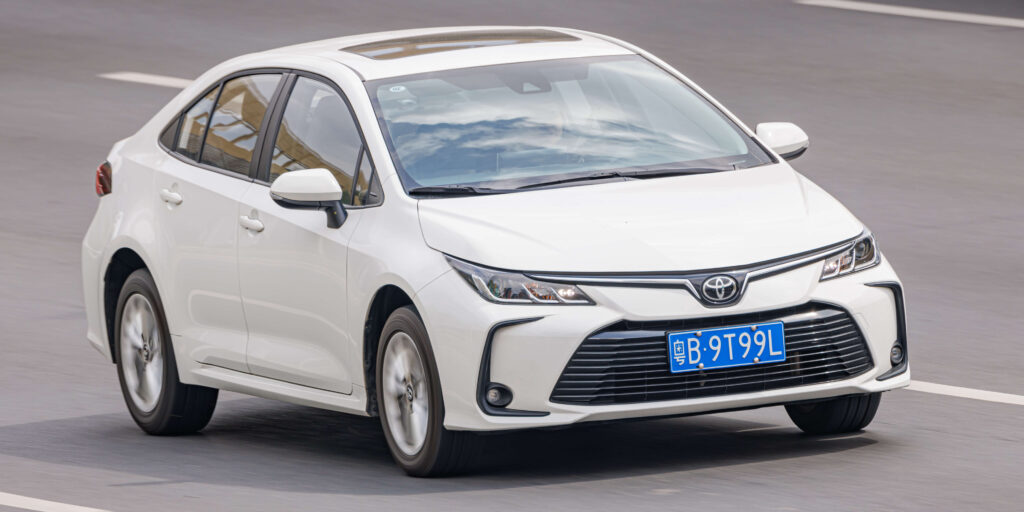
I’ve owned a 2021 Corolla with a 6-speed manual for several years. In my case, the clutch has performed well past 60,000 miles without slipping or unusual noise, even in stop-and-go city traffic and highway driving. During routine annual maintenance — including brake fluid and transmission gear oil checks — I’ve noticed that keeping the hydraulic system bled and fluid fresh seems to reduce pedal stiffness and ensure smooth engagement.
Early in ownership, I did occasionally hear a slight whir when depressing the clutch from cold starts, similar to what some owners mention in online discussions. However, proper maintenance and regular bleeding resolved this without needing expensive parts. I attribute this to proactive checks of clutch fluid and keeping everything clean.
Common Causes of Manual Transmission Clutch Problems
Not all clutch issues are due to design flaws. Here’s what often causes them:
Hydraulic System Failure (Master/Slave Cylinders)
Leaks and worn seals in the clutch hydraulic system cause loss of pressure. Since the clutch uses brake fluid — and the two systems share reservoirs — contaminants or degraded fluid cause early seal wear.
Worn Release (Throw-out) Bearing
This bearing absorbs pressure each time you clutch in. When it wears, you get noise or pedal stiffness.
Clutch Disc Wear
High mileage, aggressive driving, or frequent stop-and-go traffic can wear the clutch disc faster than expected.
Input Shaft or Internal Transmission Wear
A few owners have reported whirring or internal noises that persisted even after bearing replacement, indicating possible input shaft or transmission internal issues.
Diagnosing a Clutch Problem: What to Look For
Before assuming the worst, here are clear signs your manual Corolla’s clutch system needs attention:
- Clutch pedal sinks to floor or has inconsistent resistance
- Grinding when shifting into gear
- Clutch slipping (engine revs but acceleration lags)
- Burning smell after driving
- Unusual noises when clutch is depressed
- Difficulty engaging gears at stops
How to Fix Manual Clutch Problems (Owners Guide)

Here’s a step-by-step approach to diagnosing and repairing clutch issues:
1. Check Clutch/Brake Fluid
Since the clutch uses brake fluid for its hydraulic actuation, check the fluid level and condition. Low fluid or contaminated fluid (dark or dirty) often signals leaks or degradation. Regular bleeding every 1–2 years can help.
2. Inspect Master and Slave Cylinders
Look for leaks around the clutch master cylinder and under the vehicle around the slave cylinder. If either is leaking, replace and bleed properly.
3. Replace Worn Bearings
If you hear whirring or grinding noises when clutch is depressed, the release bearing or input shaft bearing may be worn. These require transmission removal for replacement.
4. Replace Clutch Disc & Pressure Plate
If the clutch slips or has excessive wear, replace the entire clutch kit — including disc, pressure plate, throw-out bearing, and resurfacing the flywheel if needed.
5. Address Gearbox & Internal Transmission Wear
If noises persist after clutch work, internal gearbox components like gears or synchronizers may be worn.
Cost to Repair 6MT Clutch Problems
Manual clutch repairs vary based on the issue and location:
- Hydraulic Repair only: $200 – $600
- Clutch kit replacement: $800 – $1,500
- Transmission removal + bearing replacement: $1,200 – $3,000+
Maintenance Tips to Avoid Clutch Problems
Good maintenance and driving habits can significantly extend clutch life:
- Avoid riding the clutch
- Bleed clutch hydraulics every 1–2 years
- Use recommended brake/clutch fluid
- Avoid aggressive launches or excessive slipping
- Inspect fluid for contamination regularly
Also, follow Toyota’s regular service schedule — including fluid checks, brake service, and inspections — to catch issues before they worsen. You can review the complete Corolla maintenance plan here: Toyota Corolla 2020–2024 Maintenance Schedule (Complete Guide).
Frequently Asked Questions (FAQs)
1. Do 12th Gen Corolla clutches fail often?
Not in all cars, but complaints about hydraulic failures and premature clutch wear are more common than expected for a Toyota.
2. How long should a Corolla clutch last?
With good driving, 60,000–100,000 miles is normal, but some owners see problems earlier due to hydraulic issues or aggressive use.
3. Is clutch fluid the same as brake fluid?
Yes, the clutch uses brake fluid in the hydraulic system — keeping it fresh helps prevent seal wear.
4. Will Toyota cover clutch problems under warranty?
Hydraulic and transmission failures may be covered under powertrain warranty depending on mileage and timing. Clutch discs often are considered wear items.
5. Can I DIY bleed the clutch?
Yes — many owners successfully bleed the system themselves with a helper or a pressure bleeder system.
6. What noise means a bad release bearing?
Whirring or grinding when the clutch is depressed often points to the release bearing.
7. Why does the pedal go to the floor?
Often due to hydraulic leaks in the master or slave cylinder.
8. Can fluid contamination cause clutch issues?
Yes — dirty or old fluid accelerates seal wear and can cause loss of pressure.
9. Should I change clutch fluid periodically?
Yes — bleeding or replacing fluid can help maintain proper clutch feel and extend component life.
10. Is it better to replace clutch and slave/master together?
Often yes — replacing related components together prevents future failures shortly after a repair.
Conclusion: Is the 12th Gen Corolla 6-Speed Reliable?
The 12th Gen Toyota Corolla manual transmission is generally smooth and reliable for many owners, but reports from Reddit and Toyota forums show that some drivers experience clutch and hydraulic system problems earlier than expected. Most of these issues center around the hydraulic system (master/slave cylinders), release bearing wear, or unusual input shaft noises — not every car, but enough to warrant awareness.
My own experience shows that proper maintenance, regular fluid changes, and attentive driving habits reduce the risk of costly clutch problems. When symptoms do occur, diagnosing early and addressing leaks, worn parts, or fluid contamination can save time, money, and stress.
If you drive a manual Corolla, keep an eye on pedal feel, noises, and shifting behavior. Catching problems early usually leads to simpler and cheaper fixes. Following Toyota’s recommended maintenance schedule — including fluid checks and regular inspections — helps ensure your manual transmission stays healthy for years.
Check out our other articles on 12th generation Toyota Corolla commons issues and fixes:
- Toyota Corolla 12th Gen Recalls List – What Owners Should Check Right Now
- Toyota Corolla 12th Gen CVT Whining Noise at Low Speed – Causes & Fixes
- How to fix Toyota Corolla Infotainment Screen Lag or Freezing (2019–2024)
- 12th Generation Toyota Corolla Jerky Acceleration or Shuddering (CVT Models Explained)
- Toyota Corolla Door Lock Not Working on One Side (Common 12th Gen Issue)
- 12th Generation Toyota Corolla Interior Rattling Noise While Driving – Dashboard & Door Fixes
- How to fix 12th Gen Toyota Corolla Steering Wheel Clicking or Play
- 12th Generation Toyota Corolla Sudden or Hard Braking Problem – Toyota Safety Sense Explained