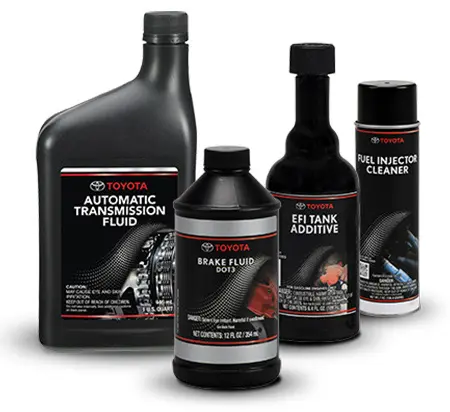
I’ve always been very particular about the health of my car, especially when it comes to the engine. Over the years, I learned that the best way to keep a Corolla running smoothly for the long haul is to treat the engine oil like the heart of the vehicle — and the heart deserves constant care. That’s why I made it a strict habit to check the engine oil regularly, even when everything seemed fine. I would look at the dipstick, check the level and color, and listen for any unusual noises during drives. But I didn’t stop there. I also followed a personal rule: I would change the oil at least 500 miles earlier than the recommended interval. It might sound like extra work, but to me it was a small investment for long-term peace of mind.
This habit became almost second nature over time. Even when life got busy, I never skipped an oil check or postponed an oil change. It wasn’t just about following a schedule — it was about ensuring the engine stayed clean and protected from wear. I believe this level of care played a major role in how well my Corolla performed over the years. The engine always felt smooth, responsive, and reliable, and I never had to worry about oil-related issues. Looking back, that early oil change routine was one of the best maintenance decisions I ever made, and it’s something I recommend to any Corolla owner who wants to keep their engine pristine for years.
Why Oil Changes Matter for Your Toyota Corolla
Engine oil is the lifeblood of your Corolla’s engine. It lubricates moving parts, reduces friction, removes heat, and prevents wear. Over time, oil breaks down and becomes dirty, which reduces its ability to protect the engine. The result is increased engine wear, reduced performance, and higher fuel consumption.
According to Toyota’s maintenance schedule, the recommended oil change interval for many Corolla models is typically between 5,000 and 10,000 miles depending on the model year and whether you drive under “normal” or “severe” conditions. You can check the exact schedule for your model year in the official Toyota maintenance guide here: Toyota Maintenance Schedule.
How Often Should You Change Oil in a Toyota Corolla?
Oil change intervals depend on driving habits, climate, and the type of oil you use. Toyota typically recommends the following:
- Conventional oil: Every 5,000 miles
- Synthetic oil: Every 7,500 to 10,000 miles
AAA also recommends following the manufacturer’s guidelines and checking oil levels regularly: AAA Oil Change Guide.
Tools and Supplies You Need
Before you start, make sure you have the right tools and supplies:
- New oil filter
- Engine oil (correct type and quantity)
- Oil filter wrench
- Socket wrench set
- Oil drain pan
- Funnel
- Gloves and safety glasses
- Jack and jack stands or ramps
- Rags or paper towels
Choosing the Right Oil for Your Toyota Corolla
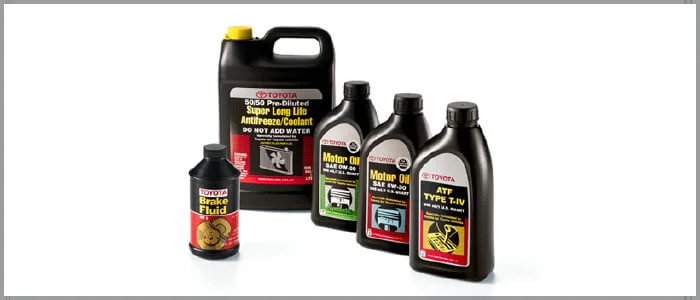
The most common oil type for modern Corolla engines is 0W-20 synthetic oil. However, older models may use 5W-30 or 5W-20. Always check your owner’s manual or the oil cap for the correct specification.
For reference, Mobil 1 provides a good guide on choosing the right oil based on your car and driving conditions: Mobil 1 Oil Viscosity Guide.
How Much Oil Does a Toyota Corolla Take?
Oil capacity varies by model year and engine type. Generally:
- 1.8L engine: Approximately 4.4 quarts (4.2 liters)
- 2.0L engine: Approximately 4.6 quarts (4.4 liters)
Always confirm your specific model’s capacity in the owner’s manual. You can also check Toyota’s official guide here: Toyota Maintenance Schedule.
Safety Tips Before You Start
Oil changes involve working under the car, so safety is very important. Here are the key safety steps:
- Park on a flat surface
- Use wheel chocks
- Use a jack and jack stands or ramps
- Wear safety glasses and gloves
- Do not work under a car supported only by a jack
Step-by-Step Toyota Corolla Oil Change (DIY)

Step 1: Warm Up the Engine
Run the engine for 5 minutes to warm the oil. Warm oil drains faster and more completely. Turn off the engine before working.
Step 2: Lift the Car and Secure It
Use a jack to lift the front of the car. Place jack stands or ramps under the vehicle for safety. Make sure the car is stable before getting underneath.
Step 3: Locate the Oil Drain Plug
Slide under the car and locate the oil drain plug on the oil pan. Place the drain pan under the plug.
Step 4: Remove the Oil Drain Plug
Use a socket wrench to loosen the drain plug. Once loose, carefully remove it and allow the oil to drain completely. Be careful, the oil may be hot.
Step 5: Remove and Replace the Oil Filter
Use an oil filter wrench to remove the old oil filter. Before installing the new filter, apply a thin layer of new oil to the rubber gasket on the filter. This ensures a proper seal and prevents leaks.
Step 6: Reinstall the Drain Plug
Once the oil has drained completely, reinstall the drain plug. Tighten it securely but do not overtighten.
Step 7: Add New Oil
Open the oil fill cap on top of the engine. Use a funnel to pour in the new oil. Start with slightly less than the recommended amount, then check the level using the dipstick.
Step 8: Check Oil Level
After adding oil, wait a few minutes for it to settle. Check the dipstick and add more oil if needed. The oil level should be between the “min” and “max” marks.
Step 9: Start the Engine and Check for Leaks
Start the engine and let it run for a minute. Check under the car for any leaks around the drain plug and filter. Turn off the engine and recheck the oil level.
Step 10: Dispose of Old Oil Properly
Never pour old oil down the drain. Take the used oil and filter to a local recycling center or auto parts store. Many stores accept used oil for free. For guidance, see CarCare.org’s disposal tips: CarCare.org Oil Change Guide.
Common Mistakes to Avoid
Here are common errors that can cause problems:
- Using the wrong oil type
- Not tightening the drain plug enough
- Over-tightening the drain plug (causing damage)
- Not replacing the oil filter
- Not checking for leaks
How to Choose the Best Oil Filter for Toyota Corolla
Choose a high-quality oil filter from a trusted brand like Toyota OEM, Mobil 1, or Bosch. A good filter helps protect your engine by removing dirt and debris.
Castrol also provides useful guidance on choosing the right oil filter and oil type: Castrol Official Site.
How to Check Your Oil Level Between Changes
Checking your oil level regularly helps prevent engine damage. Here’s how:
- Park on a flat surface
- Turn off the engine and wait 5 minutes
- Pull out the dipstick, wipe it clean
- Insert the dipstick fully, then pull it out again
- Check the oil level between “min” and “max” marks
Signs Your Corolla Needs an Oil Change
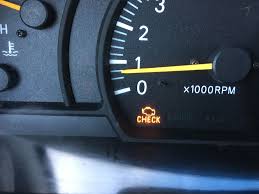
Watch for these signs:
- Engine noise or ticking sounds
- Oil change light on the dashboard
- Dark or dirty oil on the dipstick
- Reduced fuel economy
- Engine running hotter than normal
Benefits of Synthetic Oil for Toyota Corolla
Synthetic oil offers several benefits over conventional oil, including better performance in extreme temperatures, longer oil life, and improved engine protection. According to Mobil 1, synthetic oils can provide better protection and performance: Mobil 1 Synthetic Oil Guide.
How Much Money Can You Save by Changing Oil Yourself?
Oil change prices vary, but a typical shop oil change for a Toyota Corolla can cost between $40 and $80 depending on the oil type. Doing it yourself usually costs around $25 to $40 for oil and filter. Over time, DIY oil changes can save you hundreds of dollars each year.
When to Seek Professional Help
If you notice any of these issues, it’s best to get professional help:
- Oil pressure warning light
- Oil leaks under the car
- Engine overheating
- Unusual engine noises after the oil change
 For related maintenance tasks, see:
- Toyota Corolla 2020–2024 Maintenance Schedule (Complete Guide)
- Top 10 Common Problems in Toyota Corolla 2020–2024 (and Fixes)
- Toyota Corolla 2024 Review: What’s New & Worth Buying
- Toyota Corolla Automatic Transmission Oil Change Guide
- How to Replace your 12 Gen Toyota Corolla Spark Plugs Yourself?
FAQs
1. How often should I change oil in my Toyota Corolla?
Most Corolla models require an oil change every 5,000 to 10,000 miles depending on the oil type and driving conditions. Always check your owner’s manual.
2. What oil should I use for Toyota Corolla?
Most modern Corolla models use 0W-20 synthetic oil. Older models may use 5W-20 or 5W-30. Check your owner’s manual for the exact recommendation.
3. Can I use synthetic oil in my Corolla?
Yes, synthetic oil is recommended for most modern Corollas and offers better protection and longer intervals.
4. How much oil does a Corolla take?
Most Corolla engines take around 4.4 to 4.6 quarts of oil. Check your manual for exact capacity.
5. What happens if I overfill oil?
Overfilling can cause foam formation, reduce lubrication, and damage engine seals. If you overfill, drain some oil immediately.
6. Can I change oil without a ramp or jack stands?
It is not recommended. Working under a car without proper support is unsafe.
7. How do I know if the oil filter is good quality?
Choose trusted brands like Toyota OEM, Mobil 1, Bosch, or Fram. Avoid cheap, unknown filters.
8. Can I reuse the old oil filter?
No. Always replace the oil filter with every oil change.
9. How do I dispose of used oil?
Take used oil and filters to a local recycling center or auto parts store. Many stores accept used oil for free.
10. Why is my oil light still on after an oil change?
It may need to be reset, or there may be an oil pressure issue. Check the oil level and consult a mechanic if needed.
11. Can I drive immediately after an oil change?
Yes, but first check for leaks and ensure the oil level is correct.
12. How do I know the oil is low?
Check the dipstick. Low oil can cause engine noise and overheating.
Conclusion
Changing the oil in your Toyota Corolla is one of the easiest and most effective ways to protect your engine, improve performance, and save money over time. While the process may seem simple, following the correct steps—using the right oil type, tightening the drain plug properly, replacing the filter, and checking for leaks—ensures your engine stays healthy and avoids costly damage.
Regular oil changes are essential to maintain the reliability the Corolla is known for, especially when driving under severe conditions like stop-and-go traffic, hot climates, or frequent short trips. By doing the oil change yourself, you can also monitor your vehicle more closely and catch issues early, such as leaks or unusual engine noise.
If you’re unsure about any step or notice warning signs like the oil pressure light, overheating, or persistent engine noise, it’s best to consult a professional mechanic. For a full maintenance plan and related DIY guides, check out our Toyota Corolla Maintenance Schedule and Corolla Oil Change Guide.
With proper care and timely oil changes, your Toyota Corolla can stay reliable and efficient for many years—making it a smart and dependable choice for daily driving.