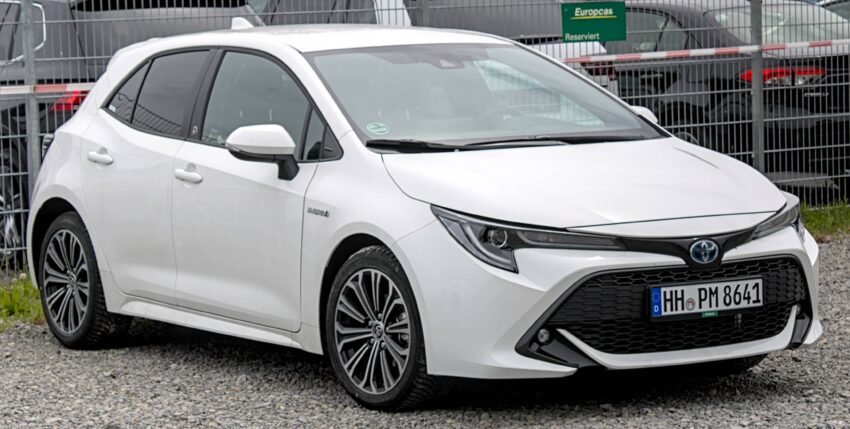
The Toyota Corolla is one of the most popular compact cars in the world. Known for its reliability, strong resale value, and fuel efficiency, the Corolla has a long history of being a practical daily driver. However, even the most reliable cars can experience problems. In the Toyota Corolla 2020–2024 generation, several issues have surfaced repeatedly among owners and mechanics.
This article covers the top 10 common problems in Toyota Corolla 2020–2024 and provides practical fixes for each. We will focus on major topics like transmission issues, brake noises, AC problems, warning lights, and fuel consumption. The goal is to help you identify symptoms early and take steps to avoid expensive repairs.
All information in this article is based on owner reports, industry data, and official safety records from trusted sources. We also provide links to reliable references so you can verify the facts yourself.
1. Transmission Issues (CVT Problems)
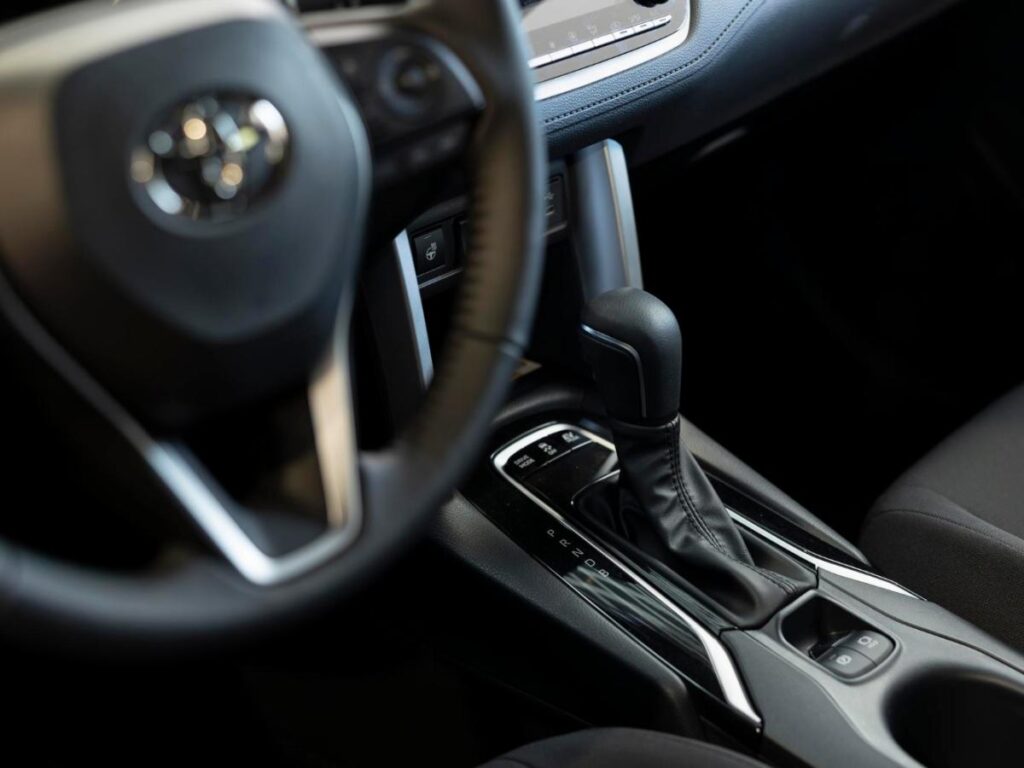
One of the most common problems reported by Corolla owners from 2020 to 2024 is related to the CVT (continuously variable transmission). The Corolla uses CVT in most trims, which helps improve fuel efficiency and provides smooth acceleration. However, CVTs can show wear and tear sooner than traditional automatic transmissions, especially in high-mileage vehicles.
Symptoms of CVT Problems
- Shuddering or jerking: This usually occurs when accelerating from a stop.
- Delayed acceleration: The car may feel slow or unresponsive.
- Transmission warning light: A warning light may appear on the dashboard.
- Unusual noise: Some owners report whining or humming from the transmission area.
CVT problems in Corolla 2020–2024 are often related to internal wear or transmission fluid issues. Toyota recommends regular fluid maintenance to prevent early wear.
Causes
- Transmission fluid degradation or low fluid.
- Faulty transmission control solenoid.
- Internal CVT belt or pulley wear.
- Software issues in transmission control module.
Fixes
Here are common fixes that can resolve CVT issues:
- Transmission fluid change: Replace fluid at recommended intervals (usually 60,000–100,000 miles, depending on driving conditions).
- Transmission software update: Toyota often releases software updates that improve transmission behavior. Ask your dealer if an update is available.
- Replace faulty sensors or solenoids: If error codes indicate a sensor problem, replacing the part can fix the issue.
- CVT rebuild or replacement: This is expensive but may be required if internal components are worn.
For more details on transmission maintenance and recalls, you can refer to Toyota’s official service pages and NHTSA data:
2. Brake Noise and Premature Wear
Brake noise is one of the most common complaints among Corolla owners. While the Corolla uses reliable braking components, the vehicle’s brake pads can wear faster than expected, especially in city driving or when heavy braking is frequent.
Common Brake Symptoms
- Squealing: This usually indicates worn brake pads.
- Grinding: This is more serious and indicates metal-on-metal contact.
- Vibration: Brake pedal vibration indicates warped rotors.
Brake noises can be caused by a range of factors, including poor-quality brake pads, rotor warping, or dust buildup. Toyota uses ceramic pads on higher trims, which can reduce noise but still wear over time.
Fixes
To fix brake noise and premature wear:
- Replace brake pads: Use OEM or high-quality aftermarket pads.
- Resurface or replace rotors: If rotors are warped, they must be replaced or resurfaced.
- Brake fluid flush: Recommended every 2–3 years to maintain brake performance.
- Brake pad shims: These can reduce noise by dampening vibration.
Brake problems can be dangerous if ignored, so it’s important to inspect the brakes if you hear any unusual noise.
3. AC Problems (Weak Cooling & Blower Issues)
AC issues are common in many cars, and the Corolla is no exception. Owners often report weak cooling, strange noises, or poor airflow. AC problems can be caused by low refrigerant, a faulty compressor, or clogged cabin filters.
Common AC Symptoms
- Warm air: The AC blows warm air even at max settings.
- Low airflow: Weak air from vents.
- Rattling noise: Noise when AC is running.
Causes
- Low refrigerant due to leaks.
- Compressor failure or clutch issues.
- Clogged cabin air filter or blower motor issue.
Fixes
Here are fixes that often solve AC problems:
- AC refrigerant recharge: If refrigerant is low, recharging may solve the problem.
- Compressor inspection: Check for noise or failure and replace if needed.
- Replace cabin air filter: A clogged filter reduces airflow.
- Inspect blower motor: If the motor is failing, replace it.
To avoid AC issues, it is recommended to run the AC periodically even during winter months. This helps keep the system lubricated and prevents seals from drying out.
4. Warning Lights (Check Engine & ABS)
Warning lights are a common concern in Corolla 2020–2024. The most frequent warning lights include the Check Engine Light (CEL), ABS light, and traction control warning. These lights can be triggered by minor issues or more serious problems.
Common Warning Lights
- Check Engine Light
- ABS Warning Light
- Traction Control Light
- Battery Warning Light
Some warning lights are caused by simple issues like a loose gas cap, while others may indicate sensor failures or electrical problems.
Causes
- Faulty oxygen sensor.
- Loose gas cap or fuel system issues.
- Battery or alternator problems.
- Faulty wheel speed sensor (ABS issues).
Fixes
To address warning lights:
- Use an OBD-II scanner: Check for error codes.
- Fix sensor issues: Replace faulty sensors based on the codes.
- Check battery and alternator: Replace if failing.
- Reset the system: After repair, reset warning lights.
For more detailed safety data, you can check official NHTSA reports:
5. Fuel Consumption (Lower MPG Than Expected)
Fuel economy is one of the Corolla’s biggest advantages. The hybrid versions especially deliver excellent mileage. However, some owners report lower than expected MPG in real-world driving. Fuel economy depends on driving habits, maintenance, and vehicle condition.
Typical Fuel Economy Ratings
The Corolla gas models typically achieve around 30–35 mpg combined, while hybrid models can achieve 45–50 mpg combined depending on driving conditions.
For official EPA fuel economy ratings, you can refer to the EPA database:
Reasons for Lower MPG
- Driving in heavy traffic or stop-and-go conditions.
- Low tire pressure.
- Dirty air filter or old spark plugs.
- Excessive idling or short trips.
Fixes
To improve fuel economy:
- Maintain proper tire pressure: Underinflated tires reduce fuel efficiency.
- Replace air filter and spark plugs: These improve engine efficiency.
- Use recommended fuel: Avoid high octane unless required.
- Drive smoothly: Avoid aggressive acceleration.
6. Battery & Electrical Problems
Battery and electrical issues are common in modern vehicles, including the Corolla. Owners often report battery drainage, weak starting, or electrical accessories not functioning properly.
Common Symptoms
- Slow starting or no start.
- Battery warning light.
- Malfunctioning infotainment or accessories.
Causes
- Battery age or failure.
- Faulty alternator.
- Parasitic drain from accessories.
Fixes
To fix battery issues:
- Replace the battery: Most batteries last 3–5 years.
- Check alternator output: Replace if faulty.
- Check for parasitic drain: Identify and remove the source.
7. Suspension Noise & Rough Ride
Some Corolla owners report suspension noise, especially on older models or high-mileage cars. Suspension noise can be caused by worn bushings, shocks, or struts. While Corolla suspension is generally reliable, wear and tear can still occur.
Common Symptoms
- Clunking or creaking over bumps.
- Rough ride or bouncing.
- Uneven tire wear.
Causes
- Worn struts or shocks.
- Worn control arm bushings.
- Loose suspension bolts.
Fixes
To fix suspension noise:
- Replace shocks or struts: Especially if the ride feels bouncy.
- Replace bushings: Worn bushings cause clunking noises.
- Check alignment: Uneven tire wear may indicate misalignment.
8. Engine Misfire & Rough Idle
Engine misfire and rough idle are reported by some Corolla owners. This issue can be caused by ignition problems, fuel delivery issues, or sensor faults. If not fixed, it can lead to reduced performance and higher fuel consumption.
Common Symptoms
- Engine shaking or rough idle.
- Reduced power or hesitation.
- Check engine light.
Causes
- Faulty spark plugs.
- Dirty fuel injectors.
- Faulty ignition coils.
- Dirty or failing mass airflow sensor.
Fixes
To fix engine misfire:
- Replace spark plugs: Recommended every 60,000–100,000 miles depending on type.
- Replace ignition coils: If misfire persists after plug replacement.
- Clean or replace fuel injectors: Improves fuel delivery.
- Check sensors: Replace faulty sensors indicated by error codes.
9. Infotainment & Bluetooth Connectivity Issues
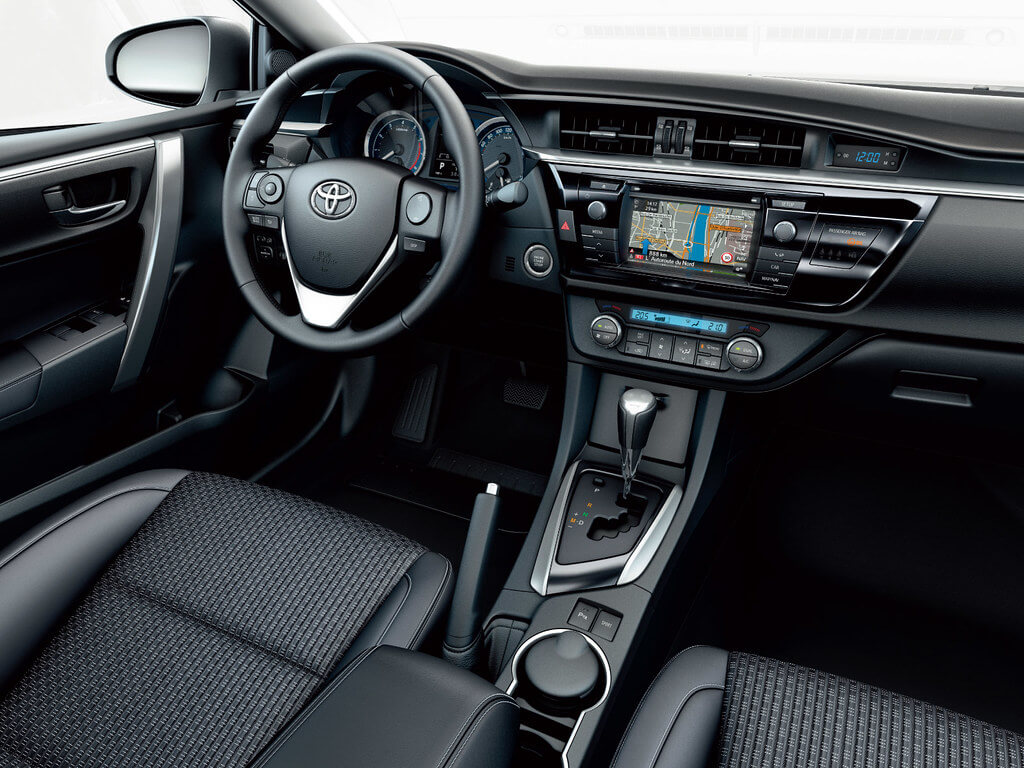
Infotainment systems are more advanced than ever, but they also create new problems. Corolla owners report issues such as Bluetooth dropping, slow screen response, or navigation errors.
Common Symptoms
- Bluetooth disconnects frequently.
- Slow touchscreen response.
- Navigation or voice command issues.
Causes
- Software bugs.
- Weak Bluetooth connection.
- Outdated firmware.
Fixes
To fix infotainment issues:
- Update system firmware: Toyota often releases updates.
- Reset the infotainment system: Clear pairing and re-pair your phone.
- Use USB connection: For stable Apple CarPlay or Android Auto.
10. Tire Wear and Alignment Issues
While not a major issue, many Corolla owners report uneven tire wear or alignment issues. This is often due to suspension wear or poor road conditions.
Common Symptoms
- Uneven tire wear.
- Steering pulling to one side.
- Vibration at highway speeds.
Causes
- Worn suspension components.
- Misalignment.
- Underinflated tires.
Fixes
To fix tire wear:
- Wheel alignment: Have alignment checked and corrected.
- Replace worn suspension parts: Bushings, struts, or control arms.
- Rotate tires regularly: Every 5,000–7,000 miles.
Following are some related Toyota Corolla guides to help you keep your toyota corolla in the best condition:
- Toyota Corolla 2020–2024 Maintenance Schedule (Complete Guide)
- Toyota Corolla Transmission Fluid Change (Automatic & CVT)
- Toyota Corolla Tire Rotation & Alignment Guide
- Toyota Corolla Spark Plug Replacement (DIY)
- Toyota Corolla Oil Change Guide (Step-by-Step DIY)
- Toyota Corolla Exterior Care: Waxing, Paint Protection & Detailing
- Toyota Corolla Coolant Flush & Radiator Maintenance
Frequently Asked Questions (FAQs)
1. Are Toyota Corolla 2020–2024 reliable?
Yes. The Corolla is known for reliability, but like any car, it can experience issues. Regular maintenance can prevent most problems.
2. Is the Corolla CVT problematic?
Some owners report CVT issues such as shuddering or delayed acceleration. Regular fluid maintenance can reduce the risk.
3. Why do Corolla brakes squeal?
Squealing often indicates worn pads, dirty rotors, or low-quality brake components.
4. Why is my Corolla AC blowing warm air?
Common causes include low refrigerant, a failing compressor, or clogged cabin air filters.
5. Why is the Check Engine Light on?
The CEL can be triggered by many issues such as sensor faults, fuel system problems, or ignition issues. Use an OBD-II scanner to identify the code.
6. How can I improve Corolla fuel economy?
Maintain tire pressure, replace air filters, drive smoothly, and avoid excessive idling.
7. Why does my Corolla battery keep dying?
Battery issues can be caused by a weak battery, alternator problems, or parasitic drain.
8. Why does my Corolla feel bumpy?
Suspension wear, worn shocks, or alignment issues can cause a rough ride.
9. Why does my Corolla infotainment freeze?
Software bugs or outdated firmware are common causes. Updating firmware often fixes the issue.
10. Why do my Corolla tires wear unevenly?
Misalignment or worn suspension parts often cause uneven tire wear.
Conclusion
The Toyota Corolla 2020–2024 is one of the most dependable compact cars available, but it is not without its common issues. The most frequently reported problems include transmission concerns, brake noise, AC problems, warning lights, and fuel consumption issues. Many of these problems can be prevented or resolved with regular maintenance and early diagnosis.
For most owners, the Corolla continues to be a smart choice because it offers strong reliability, good fuel economy, and low ownership costs. If you experience any of the issues discussed, addressing them early can save money and keep your Corolla running smoothly for years.
Remember, regular maintenance and using quality replacement parts can significantly reduce the risk of these common problems. If you’re considering a Corolla from 2020–2024, it remains one of the safest and most reliable compact cars you can buy.