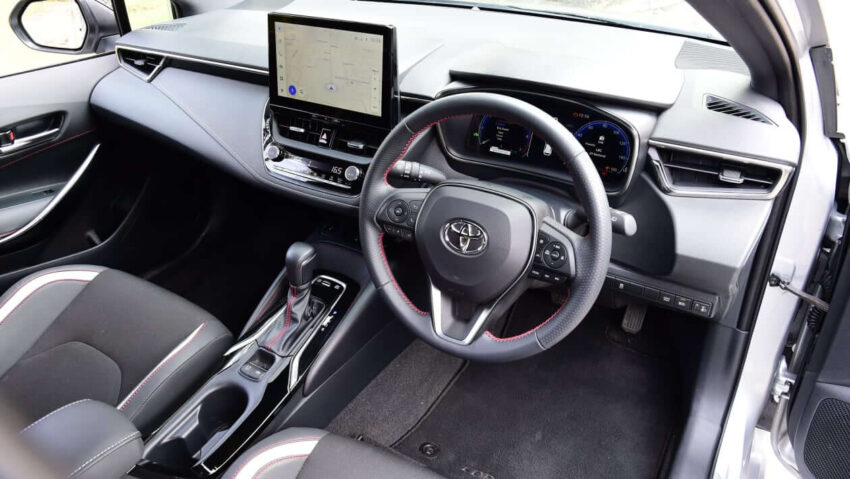
If you own a Toyota Corolla 12th Generation (2020–2024) with a CVT transmission, you may have noticed a whining or humming noise at low speed. This sound is a common concern among Corolla owners, and many ask whether it’s normal or a sign of a serious problem.
In this article, I will share my personal experience with this issue, backed by real forum discussions from Reddit and Toyota owner communities. I will also explain the common causes, how to diagnose the issue, and the best fixes — including when to seek professional help.
This article also includes relevant external references and links, plus internal links to other related articles that help you keep your Corolla maintained and running smoothly.
Why Does My Corolla CVT Make Noise Only at Low Speed?
The CVT (Continuously Variable Transmission) is designed differently than traditional automatic transmissions. Instead of fixed gears, it uses a belt and pulley system that constantly adjusts the ratio for optimal engine performance and fuel efficiency.
At low speeds, the CVT often operates in a range where the belt and pulleys are under different load and tension compared to higher speeds. This can create a “whining” or “humming” noise that is more noticeable because there is less road noise to mask it.
From my own experience with a 2021 Corolla LE (about 40,000 miles), I noticed the noise mostly when driving under 20 mph, especially during slow acceleration and when stopping. It was faint at first, but after I paid closer attention, I realized it was there even during normal city driving.
In many cases, this is normal CVT behavior. However, if the sound is loud, sudden, or worsening, it could be a sign of fluid or internal issues.
Many Corolla owners have discussed this same issue in online forums. For example, Reddit users often describe a faint CVT whine at low speed, and most people say it is normal as long as there are no other symptoms. (Reddit discussion)
Another Toyota owner community thread also confirms that CVT whining at low speed is common, but some owners have also reported louder noises that needed inspection. (ToyotaNation thread)
Is CVT Whining Noise Normal on Corolla?
The answer is: it depends.
Many Corolla CVT owners report a low-level whining sound that appears normal and does not indicate a problem. This is because CVT transmissions have a different sound profile compared to traditional automatics. The belt and pulley system creates a smooth but noticeable hum at certain RPMs and speeds.
However, a loud, harsh, or increasing noise is not normal. If the noise is accompanied by other symptoms like hesitation, slipping, vibration, or transmission warning lights, you should have it inspected.
In the Reddit thread linked above, users confirm that a mild CVT whine is normal, especially at low speed. But some owners also report that loud noises and vibration were signs of a real issue. This is why it’s important to watch for additional symptoms.
What Causes CVT Whining Noise Toyota Corolla?
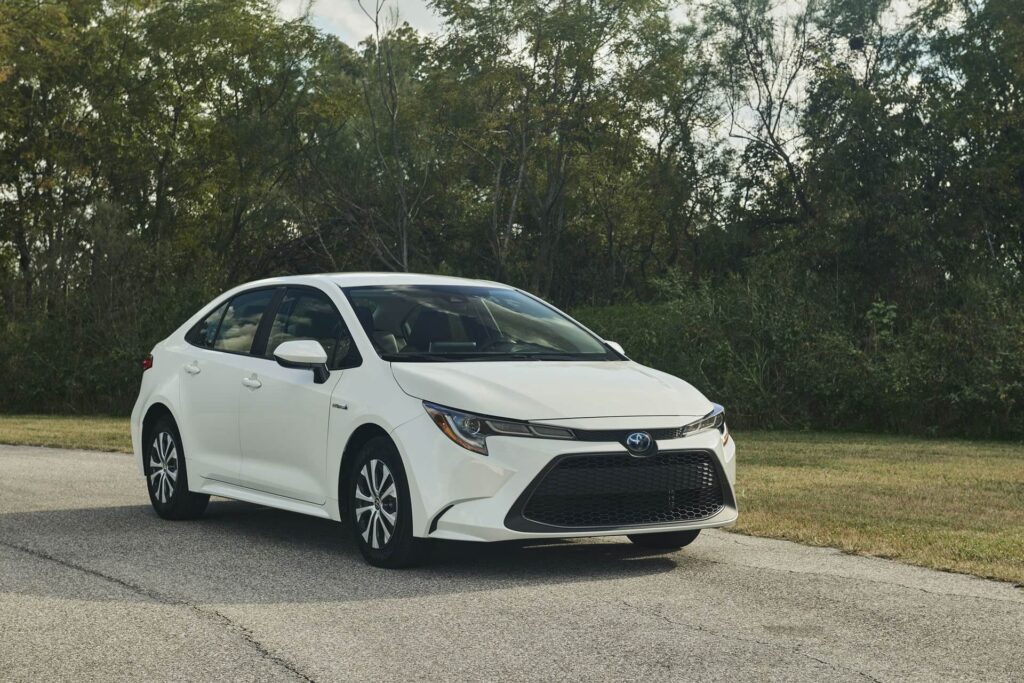
There are several common causes of CVT whining noise in Toyota Corolla models. Some are normal operational sounds, while others indicate maintenance or mechanical issues.
1. Low or Old CVT Fluid
CVT fluid is critical for lubrication, cooling, and proper operation. If the fluid level is low or the fluid is old and degraded, the belt and pulleys may not function smoothly. This can cause whining noise, especially at low speed.
Toyota recommends using Toyota WS CVT fluid for Corolla models. Using the wrong type of fluid or not changing it at the correct interval can cause noise and damage over time.
Many owners have reported that changing or topping off CVT fluid reduced or eliminated the noise. A detailed guide on CVT fluid change can be found here: Toyota Corolla Transmission Fluid Change (Automatic & CVT)
2. Worn Belt or Chain
The CVT uses a strong steel belt or chain that can wear over time. As it ages, it can stretch or lose tension, causing a whining sound as the pulleys adjust. This noise may increase under load or during acceleration.
VehicleGrip provides a detailed overview of common CVT issues, including belt wear and noise: Toyota CVT Transmission Problems (VehicleGrip)
3. Worn Bearings or Pulleys
Bearings and pulleys are important for smooth CVT operation. If they wear out, the transmission can produce a whining or grinding noise. This noise may change with speed and engine load.
If you suspect bearing noise, it is best to have the vehicle inspected by a professional. Transmission bearings are internal parts and require expertise to diagnose and repair.
4. Valve Body or Hydraulic Issues
The valve body controls hydraulic pressure and shifting behavior. If it malfunctions, the transmission may operate under incorrect pressure, causing noise, slipping, or rough shifting.
This issue is less common but can be serious. If fluid changes and maintenance do not solve the noise, the valve body may need inspection.
5. Transmission Control Module (TCM) Software
Some CVT noise can be caused by the transmission control module (TCM) or software calibration. In some cases, a software update can improve shifting behavior and reduce noise.
Many owners report that a software update at a Toyota dealer reduced CVT noise or improved shifting smoothness.
Whining Noise From Transmission Bearings?
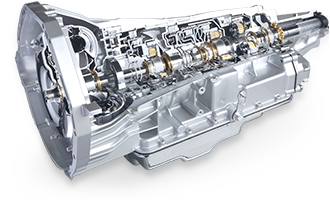
Yes — transmission bearings can cause whining noise.
Bearings support rotating parts in the transmission. When they wear out, they create friction and vibration, which can lead to a whining or grinding noise. This noise often increases with speed and may feel like a constant hum.
Transmission bearing noise is usually more severe than normal CVT sounds. It often comes with other symptoms such as:
- Vibration or shaking
- Slipping or hesitation
- Transmission warning lights
For more information on transmission bearing noise, see this guide: Transmission Whining Noise Causes & Cures (TanHon)
Toyota Corolla CVT Noise After Oil Change
Some owners report that their CVT noise increased after an oil change. This does not mean the engine oil caused the CVT noise, but there are a few reasons why this may happen:
- Increased attention: After servicing, owners may become more aware of noises that were previously ignored.
- Miscommunication: In some cases, the service center may have checked transmission fluid or changed something unintentionally.
- Coincidence: The timing may be coincidental, and the CVT issue may have been developing over time.
If the noise appears after service, it is a good idea to re-check the CVT fluid level and condition, and verify the correct fluid type was used.
How Do I Fix a Whining CVT on a Corolla?
Fixing CVT whining noise depends on the cause. Here are the most common solutions:
1. Check CVT Fluid Level and Condition
First, check the CVT fluid level and condition. If the fluid is low, top it off with the correct Toyota WS CVT fluid. If the fluid is dark or smells burnt, it may be time to change it.
Follow the recommended procedure in this guide: Toyota Corolla Transmission Fluid Change (Automatic & CVT)
2. Replace Old CVT Fluid
If the fluid is old or degraded, replacing it can reduce noise and improve performance. CVT fluid should be changed based on Toyota’s maintenance schedule.
Learn more about maintenance schedules here: Toyota Corolla 2020–2024 Maintenance Schedule (Complete Guide)
3. Update Transmission Software
Ask your Toyota dealer to check for TCM software updates. Some owners report that updates improved CVT behavior and reduced noise.
4. Inspect for Bearing or Pulley Wear
If the noise persists after fluid changes, the transmission may need inspection for internal wear such as bearings or pulleys.
Transmission inspections should be done by experienced technicians, as CVT components are complex and require specialized tools.
5. Consider a Professional Diagnosis
If you notice additional symptoms such as slipping, hesitation, or warning lights, seek professional help immediately. Ignoring a serious issue can lead to expensive repairs.
Common Corolla CVT Noise Symptoms (Quick Checklist)
Here is a quick checklist to help you determine whether the noise is normal or a problem:
- Normal: Soft whine at low speed, smooth acceleration, no warning lights
- Problem: Loud or harsh noise, vibration, slipping, hesitation, warning lights
FAQs (Frequently Asked Questions)
1. Why does my Corolla CVT make noise only at low speed?
CVTs operate differently at low speed and the belt and pulleys adjust more frequently, creating noise. Many owners report similar noise at low speed. (Reddit discussion)
2. Is CVT whining noise normal on Corolla?
A mild CVT whine at low speed is often normal. Loud, harsh, or worsening noise is not normal and should be checked.
3. What causes CVT whining noise Toyota Corolla?
Common causes include low or old fluid, worn belt or pulleys, bearings, valve body issues, or software issues.
4. Can transmission bearings cause a whining noise?
Yes. Worn bearings can cause constant whining or grinding noise, often with vibration and performance issues.
5. Why did my CVT noise increase after an oil change?
It may be a coincidence, or the noise may have been there but unnoticed. Check fluid level and condition to confirm.
6. Will changing CVT fluid fix the noise?
Often it helps, especially if the fluid is old or contaminated. But it won’t fix internal mechanical wear.
7. How often should CVT fluid be changed?
Follow Toyota’s maintenance schedule. Most Corolla CVTs require fluid changes every 60,000–100,000 miles, but more frequent service can extend transmission life.
8. Is CVT whine a sign of transmission failure?
Not always. Mild noise can be normal. However, loud noise with other symptoms can indicate failure.
9. What should I do if the noise gets louder over time?
Schedule a professional inspection. Progressive noise increase usually indicates internal wear or fluid issues.
10. What other Corolla maintenance should I follow?
Follow the complete maintenance schedule to keep your car healthy: Toyota Corolla 2020–2024 Maintenance Schedule
References & External Links
- Toyota Maintenance & CVT Fluid Info
- Toyota CVT Transmission Problems (VehicleGrip)
- CVT Whining Noise Causes (Nissan Nation Podcast)
- Transmission Whining Noise Causes & Cures (TanHon)
- Reddit Discussion – Corolla CVT Noise
- ToyotaNation Thread – CVT Whining Noise
Conclusion
Whining noise from a Toyota Corolla 12th Gen CVT at low speed is common and often normal, especially at low RPM or during slow acceleration. However, loud or worsening noise with symptoms like slipping, vibration, or warning lights indicates a problem that needs professional attention.
Regular maintenance — including proper CVT fluid changes and software updates — is the best way to prevent issues and ensure your Corolla runs smoothly. If you notice persistent noise, don’t ignore it; early diagnosis can save you from costly repairs later.
For more helpful Corolla guides, check out: