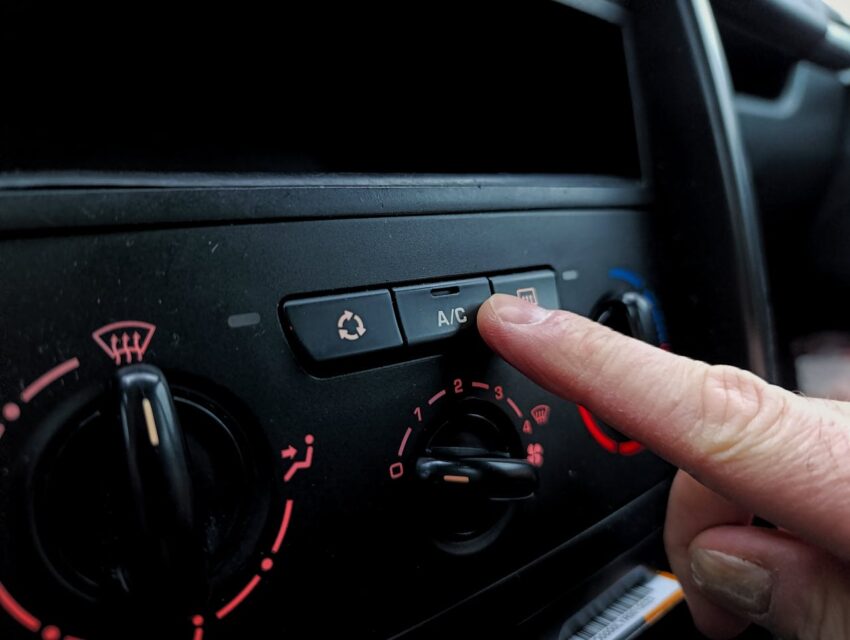
If your Toyota Corolla AC is blowing warm air, it can turn a comfortable drive into a stressful experience—especially in hot weather.
I learned this the hard way in my 2018 Corolla sedan when I was driving home from a long weekend trip.
The AC was working fine at first, but after 20 minutes of highway driving, it suddenly started blowing warm air.
I tried adjusting settings, turning the fan higher, and even recirculating the air—but nothing worked.
That moment taught me how important AC maintenance is, and I started researching the common causes, DIY checks, and solutions.
In this guide, you will learn the most common reasons your Corolla AC is not cooling, how to diagnose the problem at home, when to seek professional help, and how to prevent future issues.
We’ll also reference real owner experiences from forums like Reddit, Toyota Nation, and other owner communities.
How the Toyota Corolla AC System Works
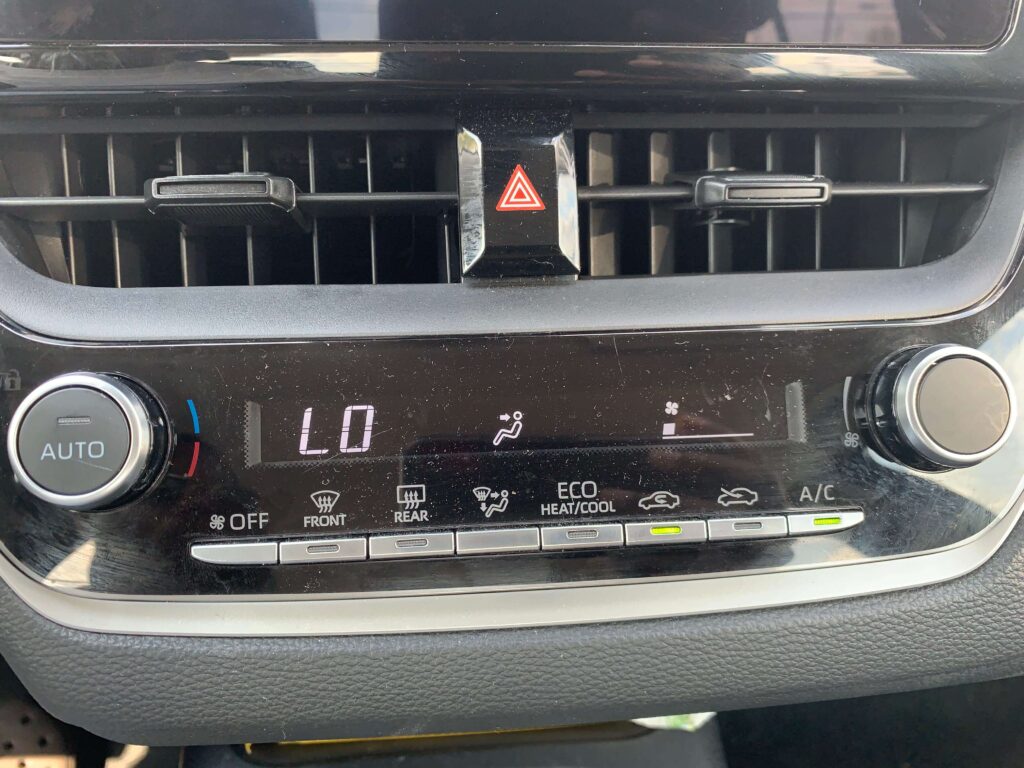
Before you can fix the problem, it helps to understand how the AC system works. Your Corolla’s air conditioning system consists of several parts:
- Compressor: Pressurizes refrigerant and circulates it through the system.
- Condenser: Releases heat from refrigerant.
- Evaporator: Absorbs heat from inside the cabin.
- Expansion valve or orifice tube: Controls refrigerant flow.
- Refrigerant (R-134a or R-1234yf): The cooling gas that circulates through the system.
- Blower motor: Pushes air through the vents.
- Cabin air filter: Filters dust and pollen and helps airflow.
When any of these components fails or becomes clogged, the AC will not cool efficiently.
In many cases, the problem is low refrigerant or a dirty cabin filter, but sometimes it can be more complex like a faulty compressor or electrical issue.
Common Reasons Toyota Corolla AC Is Not Cooling
Below are the most common reasons Corolla owners report when the AC stops cooling. These issues are commonly discussed on Reddit and Toyota owner forums.
1. Low Refrigerant (Freon)
Low refrigerant is the #1 cause of AC not cooling. Because the system is sealed, low refrigerant usually means there is a leak somewhere in the AC system.
Owners on forums often describe symptoms like:
- AC works for a few minutes, then warms up
- AC cools while driving but warms at idle
- Hissing sound from the AC lines
This is supported by general automotive AC knowledge from sources like the AAA Auto Repair.
2. Dirty or Clogged Cabin Air Filter
A dirty cabin air filter can reduce airflow and reduce cooling. This is one of the easiest problems to fix, and many owners report immediate improvement after replacing the filter.
Most Corolla models have the cabin filter behind the glove box.
3. Faulty AC Compressor

The compressor is the heart of the AC system. If it fails or the clutch doesn’t engage, the system won’t cool.
Some owners on Toyota Nation report AC cooling failures after 80,000+ miles, often caused by compressor issues.
4. Electrical Issues (Fuses, Relays, or Sensors)
Electrical faults like blown fuses or faulty relays can prevent the compressor from turning on.
The AC pressure switch may also fail, causing the system to shut down to prevent damage.
5. Blocked Condenser
The condenser is located in front of the radiator. If it is blocked by debris, leaves, or bugs, heat cannot escape efficiently.
Cleaning the condenser can improve cooling performance significantly.
6. Blower Motor or Blend Door Issues
Weak airflow can indicate a blower motor issue or a stuck blend door. This is usually felt as low air volume even when the AC is cold.
Real Owner Experiences from Forums (Reddit & Toyota Owner Communities)
I researched several forums including Reddit r/ToyotaCorolla, Toyota Nation, and other owner communities. Here are the most common issues shared:
- Intermittent cooling: Owners report AC works sometimes and then stops. Most common cause: low refrigerant or electrical issues.
- Warm air at idle: This is often low refrigerant or a failing condenser fan.
- AC smells bad: Usually a dirty cabin filter or mold in the evaporator. Some owners fixed this by cleaning the evaporator drain.
- Compressor not engaging: This can be caused by a bad relay or low refrigerant.
These forum findings confirm that most Corolla AC issues are common and diagnosable without expensive tools.
DIY Troubleshooting Checklist (Step-by-Step)
Before you pay for professional diagnosis, try these checks. They often solve the problem quickly.
Step 1: Check the AC Settings
Make sure the settings are correct:
- AC button is ON
- Temperature set to cold
- Fan speed is adequate
- Recirculation mode is ON
Step 2: Inspect and Replace Cabin Air Filter
A dirty cabin filter restricts airflow and reduces cooling. Replacing it is one of the fastest DIY fixes.
Recommended cabin air filter (affiliate):
Toyota Corolla Cabin Air Filter (Amazon)
Step 3: Check Compressor Engagement
Start the engine, set AC to max, and observe the compressor pulley. If it is not engaging, the system may be low on refrigerant or the compressor may be failing.
Step 4: Check for Refrigerant Leaks
Signs of refrigerant leaks include:
- Hissing sound
- Oily residue around AC lines
- Cooling works for short time then stops
If you suspect a leak, a professional repair is recommended. Refrigerant leaks cannot be fixed by simply recharging the system.
Step 5: Clean the Condenser
Remove debris and clean the condenser with a gentle hose. Avoid high pressure which can damage fins.
Step 6: Check Blower Motor
If airflow is weak even when AC is cold, the blower motor may be failing.
How to Diagnose Low Refrigerant in Toyota Corolla
Low refrigerant is common and is often the root cause of AC cooling problems. Here’s how to check:
- Check if compressor engages
- Check for hissing sound
- Check AC pressure using gauges (if available)
- Use a recharge kit if necessary
Important: If the AC still doesn’t cool after recharging, do not add more refrigerant. This could damage the system.
When to Seek Professional Help
Some AC issues require professional tools and experience. You should visit a mechanic if:
- AC still doesn’t cool after basic checks
- You suspect a refrigerant leak
- Compressor is not engaging
- AC smells like chemicals or refrigerant
- AC system freezes or blows warm air intermittently
Typical AC Repair Costs for Toyota Corolla
AC repair costs can vary widely depending on the issue. Here are typical ranges:
- Cabin air filter replacement: $20–$60
- AC recharge: $100–$200
- Compressor replacement: $500–$900
- Condenser replacement: $300–$600
- Leak repair: $150–$500+
Preventive Tips to Keep Your Corolla AC Healthy
- Run AC for 10 minutes weekly even in winter
- Replace cabin filter every 15,000–20,000 miles
- Clean condenser and remove debris
- Inspect for leaks every 6 months
- Maintain your cooling system and radiator
Regular maintenance, like the one outlined in the Toyota Corolla 2020–2024 Maintenance Schedule (Complete Guide), helps prevent AC issues before they become serious.
If you want to keep your Corolla in top condition, these related guides will help:
- Best Toyota Corolla Model to Buy (2026 Guide)
- Toyota Corolla Transmission Fluid Change (Automatic & CVT)
- Toyota Corolla Tire Rotation & Alignment Guide
- Toyota Corolla Spark Plug Replacement (DIY)
- Toyota Corolla Oil Change Guide (Step-by-Step DIY)
- Toyota Corolla Exterior Care: Waxing, Paint Protection & Detailing
- Toyota Corolla Coolant Flush & Radiator Maintenance
- Toyota Corolla Brake Pad Replacement (DIY)
- Toyota Corolla Battery Replacement & Maintenance Tips
Frequently Asked Questions (FAQs)
1. Why is my Corolla AC blowing warm air?
Most often due to low refrigerant, clogged cabin filter, or a failing compressor.
2. Can I recharge the AC myself?
Yes, but only if the system has no leaks. Recharge kits are temporary solutions and do not fix leaks.
3. How often should I replace the cabin air filter?
Every 15,000–20,000 miles or when airflow weakens.
4. Why does AC cool while driving but warm at idle?
This is often due to low refrigerant or a weak condenser fan.
5. Can a dirty condenser cause AC to stop cooling?
Yes. A blocked condenser prevents heat from dissipating properly.
6. What is the average lifespan of a Corolla AC compressor?
Typically 8–12 years, depending on usage and maintenance.
7. Why does my AC smell bad?
Usually due to mold or bacteria in the evaporator or a dirty cabin filter.
8. How do I know if I have a refrigerant leak?
Look for oily residue around AC lines, listen for hissing sounds, or notice rapid loss of cooling.
9. Can low refrigerant damage the AC system?
Yes. Low refrigerant can cause the compressor to overheat and fail.
10. How can I prevent AC problems in my Corolla?
Run the AC weekly, replace cabin filter, clean condenser, and follow regular maintenance schedules.
Conclusion
If your Toyota Corolla AC is not cooling, don’t panic. Most issues are common and can be diagnosed with basic checks.
Start with simple solutions like checking AC settings, replacing the cabin air filter, and inspecting the compressor.
If the issue persists, it is likely a refrigerant leak, compressor failure, or electrical problem. In these cases, professional diagnosis is the safest option.
Remember: preventative maintenance is the best way to avoid AC issues. Follow your maintenance schedule and keep your system clean.
Your Corolla will stay cool, comfortable, and reliable for years to come.
For more Corolla maintenance tips, visit:
Toyota Corolla Maintenance Schedule