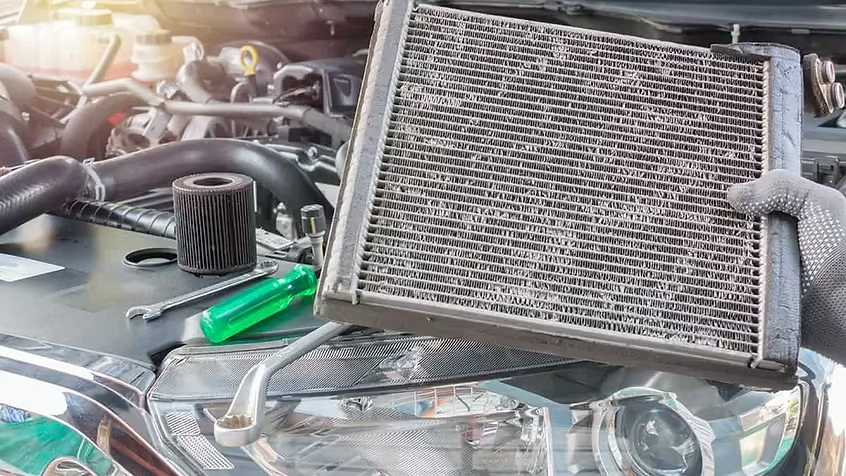
It started one summer morning when my 10th generation Corolla began showing signs of overheating, even though there were no obvious leaks or visible issues under the hood. The temperature gauge would slowly creep up during my commute, and the heater started blowing hotter than usual, which was a strange warning sign in itself. I checked the coolant level, inspected the hoses, and even looked for any wet spots or puddles, but everything seemed normal. There were no warning lights, no steam, and no obvious leaks, which made the problem feel even more confusing. After doing some research and talking to a mechanic friend, I decided to perform a complete radiator flush and replace the coolant, hoping to eliminate any hidden blockages or buildup inside the system.
After the flush, the difference was immediate. The temperature gauge stayed steady, the heater worked normally again, and the car ran cooler even in heavy traffic. It felt like the entire cooling system had been refreshed, and I realized how important this maintenance task can be for long-term reliability. Since then, I’ve made radiator flushes a regular part of my maintenance routine, especially before summer and after long winter seasons. It was a simple fix, but it saved me from potential overheating issues down the road and gave me more confidence in the car’s overall performance.
If you own a Toyota Corolla, you know it’s a reliable and long-lasting car. But like every vehicle, it still needs regular maintenance. One of the most important maintenance tasks is keeping the cooling system in good shape. The coolant (antifreeze) and radiator help keep your engine at the right temperature. If they fail, your Corolla can overheat, which can cause serious engine damage.
This article is a complete guide to Toyota Corolla coolant flush and radiator maintenance. You will learn why coolant flush is important, how often to do it, step-by-step instructions, signs of cooling system problems, and how to maintain the radiator for long-term performance. The guide is written in simple US English and is easy to understand, even if you are not a mechanic.
What Is a Coolant Flush?
A coolant flush is a process where you remove old coolant from your engine cooling system and replace it with fresh coolant. Over time, coolant breaks down and becomes contaminated with rust, scale, and debris. This reduces its ability to cool the engine and can cause overheating.
A coolant flush usually includes:
- Draining old coolant
- Flushing the system with water or a cleaning solution
- Refilling with new coolant
- Bleeding air from the system
Why Coolant Flush Is Important for Toyota Corolla

Coolant flush is essential because coolant not only cools the engine but also protects it from corrosion. Without proper coolant, your engine can overheat, which can cause:
- Warped cylinder heads
- Blown head gasket
- Engine failure
- Damaged radiator or hoses
Toyota Corolla engines are known for durability, but a neglected cooling system can still cause major problems. A coolant flush helps prevent rust, corrosion, and overheating.
How Often Should You Do a Coolant Flush on a Toyota Corolla?
The frequency of coolant flush depends on the Corolla model year and the type of coolant used. Most modern Toyota Corollas use long-life coolant that lasts longer than older coolant types.
Here is a general guideline:
- Every 5 years or 100,000 miles for long-life coolant (Toyota Super Long Life Coolant)
- Every 2-3 years or 30,000 miles for regular coolant
If you are unsure what coolant your Corolla uses, check the owner’s manual or ask a Toyota service center.
Signs Your Corolla Needs a Coolant Flush
Here are common signs that indicate you need a coolant flush:
- Overheating or high engine temperature
- Coolant color is rusty or dirty
- Coolant smells sweet (possible leak)
- Heater not working properly
- Warning light on dashboard (temperature or coolant light)
- Low coolant level without visible leaks
Tools and Materials Needed for a Coolant Flush
Before starting, gather the necessary tools and materials:
- New coolant (Toyota Super Long Life Coolant or equivalent)
- Distilled water
- Coolant flush solution (optional)
- Drain pan
- Funnel
- Gloves and safety glasses
- Rags or towels
- Jack and jack stands (optional)
How to Check Coolant Level on a Toyota Corolla
Checking coolant is simple and should be done regularly:
- Make sure the engine is cool.
- Locate the coolant reservoir (usually a translucent plastic tank).
- Check the level between the “MIN” and “MAX” marks.
- If low, add coolant until it reaches the “MAX” line.
Never open the radiator cap when the engine is hot. The coolant is under pressure and can cause serious burns.
Step-by-Step Coolant Flush for Toyota Corolla (DIY)
Step 1: Prepare Your Vehicle
Park the Corolla on a flat surface and let the engine cool completely. Wear safety glasses and gloves. If needed, lift the car with a jack and support it with jack stands.
Step 2: Drain Old Coolant
Locate the radiator drain plug or petcock. Place a drain pan under it. Open the drain plug and let the coolant drain completely. Be careful, as coolant is toxic and should not be poured on the ground.
Step 3: Flush the System
After draining, close the drain plug. Fill the radiator with distilled water. Start the engine and let it run for 10–15 minutes with the heater on high. This helps circulate water and flush out deposits.
Turn off the engine, let it cool, and drain the water. Repeat this step until the drained water looks clean.
Step 4: Add Coolant Flush Solution (Optional)
If your coolant looks rusty or the system is dirty, use a coolant flush solution. Follow the product instructions. Usually, you add the solution, run the engine, then drain.
Step 5: Refill with New Coolant
Mix coolant with distilled water if needed (check coolant label). Fill the radiator and reservoir to the correct level.
Step 6: Bleed the Cooling System
Air trapped in the cooling system can cause overheating. Start the engine and let it run with the radiator cap off. Turn the heater on high. Wait until the thermostat opens and coolant starts circulating. You may see bubbles—this is air being released.
Once the air is gone, close the radiator cap and top off the reservoir.
Step 7: Check for Leaks
After the coolant flush, check under the car for leaks. Also inspect hoses and clamps for any signs of wear or cracks.
How to Maintain the Radiator on a Toyota Corolla
Radiator maintenance is not just about coolant. You should also keep the radiator clean and inspect it regularly:
1. Inspect Radiator Hoses
Check hoses for cracks, bulges, or leaks. Hoses should be firm but flexible. Replace hoses if they are soft, cracked, or swollen.
2. Check Radiator Cap
The radiator cap maintains pressure in the cooling system. A worn cap can cause overheating. Replace it if it looks damaged or if the seal is worn.
3. Clean the Radiator Fins
Over time, dirt, bugs, and debris can block airflow through the radiator fins. Use a soft brush or compressed air to clean the fins gently. Avoid bending the fins.
4. Check the Cooling Fan
The cooling fan helps the radiator cool the engine, especially in traffic. If the fan is not working, the engine can overheat. Check the fan and its electrical connections.
5. Inspect the Thermostat
The thermostat controls coolant flow. A stuck thermostat can cause overheating. If you notice temperature spikes, it may be time to replace the thermostat.
Common Cooling System Problems in Toyota Corolla
Here are common issues Corolla owners may face:
1. Overheating
Overheating can be caused by low coolant, a stuck thermostat, a failing water pump, or a clogged radiator.
2. Coolant Leaks
Leaks can occur from hoses, radiator, water pump, or heater core. Look for puddles under the car or a sweet smell inside the cabin.
3. Heater Not Working
If your heater blows cold air, it may be due to low coolant or a clogged heater core.
4. Rusty or Dirty Coolant
Old coolant becomes rusty and loses its protective properties. This can cause corrosion inside the engine and radiator.
Best Coolant for Toyota Corolla

Toyota recommends using Toyota Super Long Life Coolant or equivalent. This coolant is designed for Toyota engines and lasts longer than regular coolant.
If you need to mix coolant, always use distilled water. Tap water contains minerals that can cause scale and corrosion.
DIY vs Professional Coolant Flush
A coolant flush can be done at home if you are comfortable working on your car. However, a professional service may be better if:
- You are not confident working on cooling systems
- Your coolant is heavily contaminated
- You suspect a leak or major issue
A professional service may also use specialized tools to fully flush the system.
How Much Does a Coolant Flush Cost?
Coolant flush costs vary depending on location and service provider. Here is a rough estimate:
- DIY coolant flush: $30–$80 (coolant + materials)
- Professional coolant flush: $80–$150
If you include radiator repair or hose replacement, the cost may increase.
Long-Term Benefits of Radiator Maintenance
Regular coolant flush and radiator maintenance provide several benefits:
- Prevents overheating
- Extends engine life
- Reduces risk of head gasket failure
- Improves fuel efficiency
- Reduces risk of expensive repairs
 For related maintenance tasks, see:
- Toyota Corolla Oil Change Guide (Step-by-Step DIY)
- Toyota Corolla 2020–2024 Maintenance Schedule (Complete Guide)
- Top 10 Common Problems in Toyota Corolla 2020–2024 (and Fixes)
- Toyota Corolla Transmission oil Change DIY
- How to replace Spark Plugs in Toyota Corolla 12Gen?
FAQs
How often should I flush the coolant in my Toyota Corolla?
Most modern Toyota Corollas with long-life coolant should be flushed every 5 years or 100,000 miles. Older models may require flushing every 2–3 years or 30,000 miles.
Can I use any coolant in my Toyota Corolla?
It’s best to use Toyota Super Long Life Coolant or an equivalent. Mixing different coolant types can cause chemical reactions and reduce protection.
Why is my Corolla overheating even after adding coolant?
Overheating may be caused by a stuck thermostat, water pump failure, clogged radiator, or air trapped in the system. A full coolant flush and inspection may be needed.
Is a coolant flush necessary if the coolant looks clean?
Even if coolant looks clean, it may lose its protective properties over time. It’s recommended to flush based on time and mileage, not just appearance.
Can I flush coolant myself?
Yes, a coolant flush can be done at home with basic tools. However, be careful with coolant handling and proper disposal. If you are not comfortable, take your Corolla to a professional.
What happens if I don’t flush coolant?
Old coolant can cause corrosion, clogged radiator, overheating, and major engine damage. It can also lead to expensive repairs like head gasket failure.
Conclusion
Coolant flush and radiator maintenance are essential for keeping your Toyota Corolla running smoothly and safely. Regular coolant replacement prevents overheating, reduces corrosion, and extends engine life. Whether you do it yourself or hire a professional, make coolant maintenance a priority.
If you follow the steps in this guide, you can keep your Corolla’s cooling system in top condition and avoid costly repairs. Remember: prevention is always cheaper than repair.