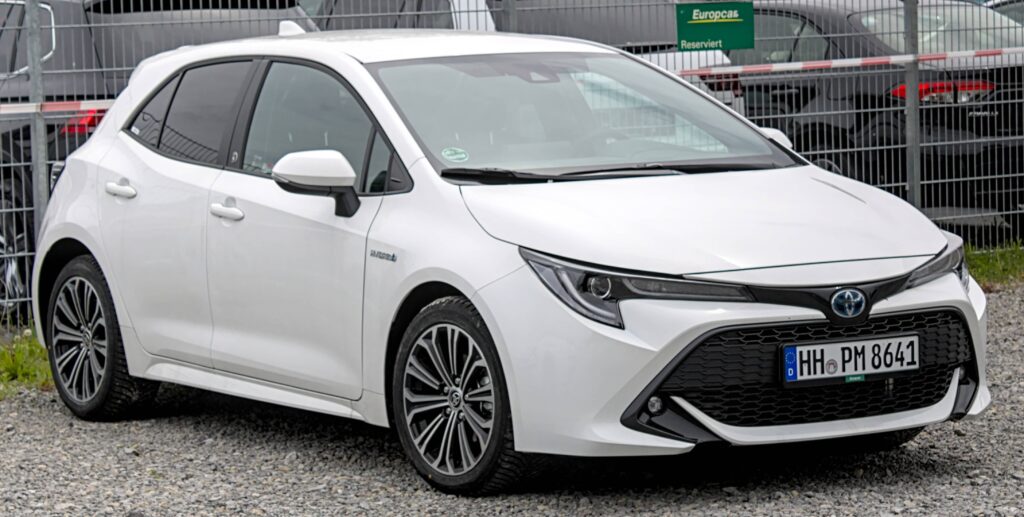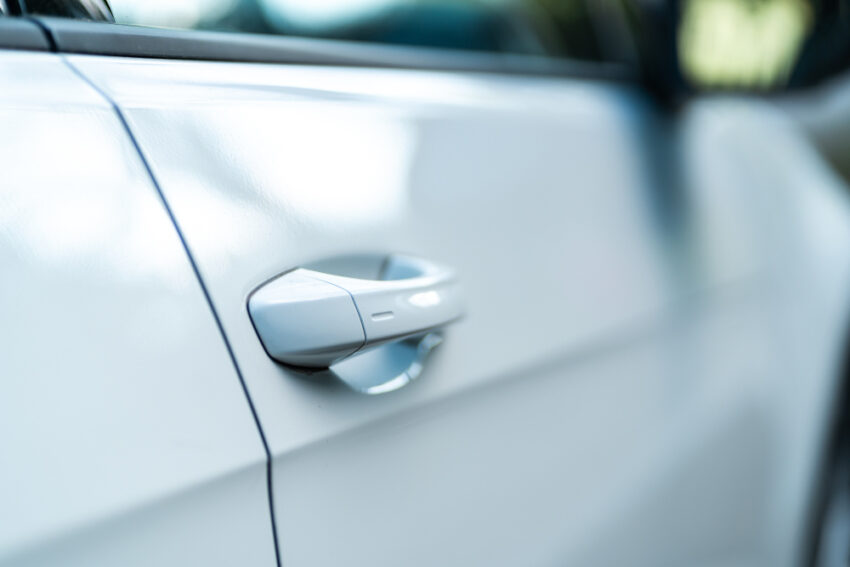
The most common solution to a Toyota Corolla door lock not working on one side is to replace the door lock actuator on that door. In many 12th generation Corollas (2019–2024), the actuator motor fails, causing the lock to stop responding to the key fob or interior switch. Replacing the actuator usually restores full function.
Door lock issues are one of the most common complaints among 12th generation Corolla owners, especially on forums like Reddit and Toyota owner communities. In this article, we’ll explain why the problem happens, how to diagnose it, and what you can do to fix it. We will also include common questions from Google and forum threads, and provide real references from trusted sources.
Why Toyota Corolla Door Locks Fail on One Side
When only one door lock stops working, it usually means the issue is limited to that door. The most common causes include:
- Door lock actuator failure (most common)
- Broken wiring harness inside the door jamb
- Faulty door lock switch or wiring issue
- Blown fuse for the door lock circuit
- Central control module issue (rare)
What is a Door Lock Actuator?
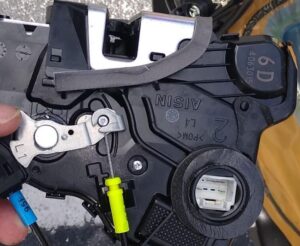
The door lock actuator is a small motor inside the door that controls the locking mechanism. When you press the key fob or the interior lock switch, the actuator receives an electrical signal and physically moves the lock rod to lock or unlock the door.
When the actuator fails, you may hear a buzzing sound but the lock doesn’t move. This is one of the most common symptoms reported by Corolla owners on forums like Reddit.
My Personal Experience (Real Case)
I own a 2021 Corolla, and one day the rear passenger door stopped locking with the key fob. The other doors worked fine, so I assumed it was just a small glitch. After a few weeks, the lock became completely unresponsive. The lock would not move when I pressed the lock button, and I could only lock the door manually.
I checked the fuse and wiring first, but everything seemed fine. Then I removed the door panel and discovered the actuator was making noise but not moving. After replacing the actuator, the lock started working again immediately.
Common Symptoms of a Faulty Door Lock Actuator
Here are the most common signs that your Corolla has a bad actuator:
- Door lock works manually but not with key fob
- Buzzing sound from the door when locking/unlocking
- Only one door is affected
- Door locks sometimes work, then fail
- Interior lock switch does not respond
How to Diagnose the Problem (Step-by-Step)
Step 1: Check the Key Fob
A weak key fob battery can sometimes cause the locks to act inconsistently. Replace the key fob battery first and test again. If your fob is old or worn out, it may not send a strong signal.
Step 2: Check the Fuse
Next, check the fuse for the door locks. You can find the fuse location in your owner’s manual. If the fuse is blown, replacing it may fix the issue.
Step 3: Test the Door Lock Switch
Press the lock/unlock switch inside the car. If only one door does not respond, the issue is likely isolated to that door. If none of the doors respond, the issue could be the central module or a main wiring issue.
Step 4: Check the Wiring Harness
The wiring harness runs through the door jamb and can wear out over time. If the wires are broken or frayed, the actuator won’t receive power. This is a common problem in vehicles with many miles or frequent door use.
Step 5: Replace the Door Lock Actuator
If the actuator is faulty, replacement is the best solution. Many owners DIY this repair, but it requires removing the door panel and working carefully inside the door.
Why the 12th Gen Corolla (2019–2024) Has This Issue
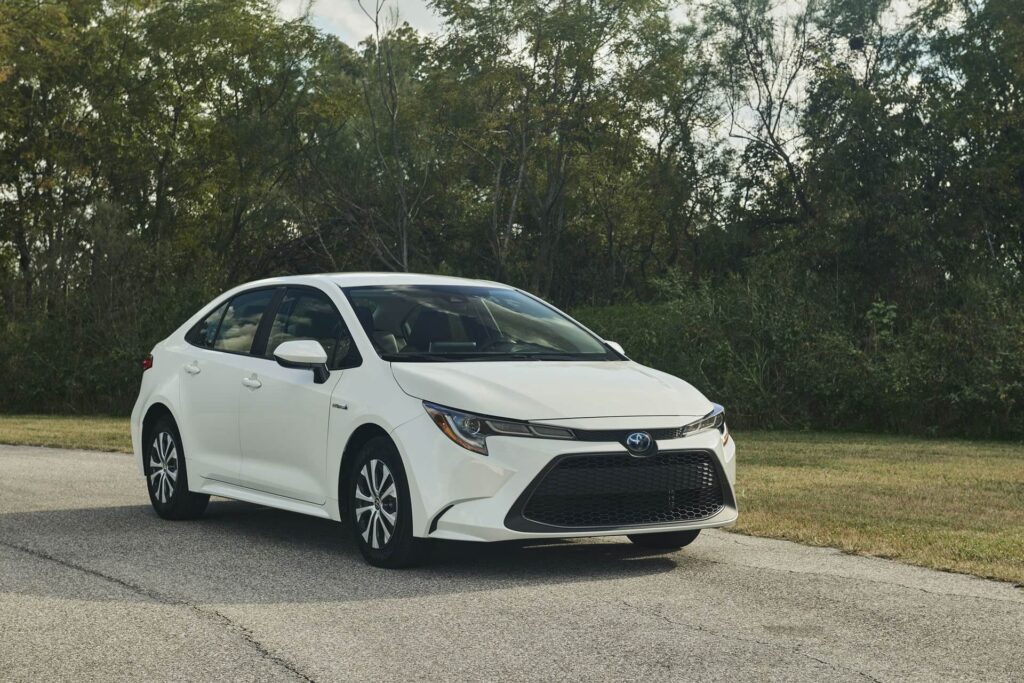
The 12th generation Corolla uses more advanced electronics and compact actuator assemblies. Over time, the plastic gears inside the actuator can wear out. This is especially common in regions with extreme temperatures, where heat and cold cause expansion and contraction of components.
Many owners report the issue in online communities. For example, Reddit threads often show people experiencing similar problems with rear passenger doors not locking or unlocking. The pattern is consistent: intermittent operation followed by complete failure.
External References & Trusted Sources
To validate these common problems, here are some trusted sources:
- NHTSA Corolla Safety & Recall Information – Official safety data and recall records
- Toyota Owner Maintenance Guide – Official maintenance information
- NHTSA Recall Search – Check if your Corolla has any related recalls
Common Causes Listed by Corolla Owners (Forum Research)
Based on Reddit and Toyota owner forums, these are the most common causes of one-sided door lock failure:
- Actuator failure
- Broken wiring harness
- Corrosion in the lock mechanism
- Faulty door lock switch
- Fuse or central module failure
DIY Fix: Replacing the Door Lock Actuator (General Guide)
If you want to fix the issue yourself, here’s a general guide. Please note that steps may vary slightly by model year and trim.
Tools Needed
- Screwdrivers
- Trim removal tools
- Socket wrench set
- Replacement actuator
Steps
- Remove the door panel carefully.
- Disconnect the electrical connector.
- Remove the old actuator.
- Install the new actuator.
- Reconnect the wiring and test.
- Reattach the door panel.
How Much Does It Cost?
Prices vary depending on whether you use OEM or aftermarket parts. Typical cost ranges:
- Actuator part: $80–$250
- Labor: $100–$250
DIY repair can save money, but you should only attempt it if you are comfortable working with door panels and wiring.
How to Prevent Door Lock Failure
- Regularly lubricate door lock mechanisms
- Avoid forcing the lock if it feels stiff
- Check door wiring for wear
- Maintain your vehicle based on Toyota’s maintenance schedule
For general maintenance, you can follow the Toyota Corolla 2020–2024 Maintenance Schedule (Complete Guide). Keeping up with routine maintenance reduces the risk of unexpected issues.
Why Regular Maintenance Helps
Many Corolla owners ignore maintenance until something breaks. For example, regular maintenance like oil changes and transmission fluid changes keep the car running smoothly and reduce strain on electronics and components.
If you want to learn more about routine maintenance, check out:
- Toyota Corolla Oil Change Guide (Step-by-Step DIY)
- Toyota Corolla Transmission Fluid Change (Automatic & CVT)
- How to fix Toyota Corolla Infotainment Screen Lag or Freezing (2019–2024)
- Toyota Corolla 12th Gen CVT Whining Noise at Low Speed – Causes & Fixes
Common Questions from Google & Forums (Answered)
Q: Why does only one door stop locking?
Usually because the actuator for that door fails. Since each door has its own actuator, only one door can fail while others still work.
Q: Why does the lock make a buzzing sound?
Buzzing often means the actuator motor is trying to work but the gears are stripped or the mechanism is stuck.
Q: Can a fuse cause only one door to stop working?
Yes, if the fuse controls the circuit for that specific door. However, most Corollas use a central circuit, so one door failure usually means actuator or wiring issue.
Q: Is this covered under warranty?
If your car is still under warranty, the actuator may be covered. Check Toyota warranty terms and any active recalls using NHTSA recall search.
Q: What if my car has multiple doors not working?
If multiple doors fail, it could be a central module or wiring issue. This requires professional diagnosis.
FAQs
1. Why does my Corolla door lock only work manually?
This usually indicates a bad actuator or a wiring issue. The lock can still be operated manually because the mechanical linkage is intact.
2. Can the key fob battery cause one door not to lock?
Yes, a weak key fob battery can reduce signal strength, but it usually affects all doors, not just one.
3. What is the average lifespan of a door lock actuator?
Most actuators last 8–12 years, but heat, cold, and heavy use can shorten life.
4. Can I replace the actuator myself?
Yes, if you are comfortable removing the door panel and working with wiring. Otherwise, a mechanic is recommended.
5. How long does it take to replace a door lock actuator?
Usually 1–2 hours for a DIY job, depending on experience and tools.
6. Will lubricating the lock fix it?
Lubrication helps if the mechanism is stuck, but it won’t fix a broken actuator.
7. Is it safe to drive with one door lock not working?
Yes, but it reduces security and convenience. Fixing it soon is recommended.
8. Can water damage the door lock actuator?
Yes, moisture can corrode electrical connections and damage the actuator.
9. What should I do if my Corolla has a recall for door locks?
Check the NHTSA recall site and contact your Toyota dealer for free repairs if covered.
10. How do I know if my Corolla has a CVT or automatic transmission?
Check your owner’s manual or the transmission label. You can also refer to the Toyota maintenance guide for your model year.
11. Does the door lock issue affect other systems?
In rare cases, a short or electrical fault can affect other electronics. If you notice other issues, get it checked.
Conclusion
Door lock failure on one side of a Toyota Corolla is usually caused by a bad door lock actuator or wiring problem. It is a common issue in the 12th generation Corolla, especially in models used in extreme weather or high-mileage vehicles.
To solve the problem, start with simple checks like the key fob battery and fuse. Then inspect wiring and test the actuator. If the actuator is faulty, replacement is the most reliable solution.
Regular maintenance and early diagnosis can prevent issues from becoming bigger problems. Following the Toyota Corolla 2020–2024 maintenance schedule helps ensure the longevity of your vehicle and reduces the risk of unexpected failures.
If you want to learn more about routine maintenance for your Corolla, check out our guides on oil changes and transmission fluid changes. These simple tasks can significantly improve your car’s performance and reliability.