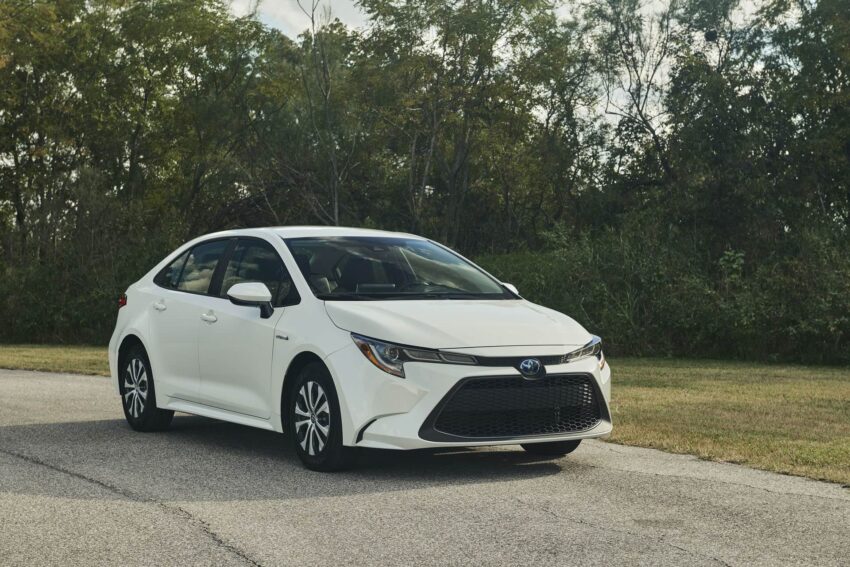
The Toyota Corolla Hybrid (2020–2024) is one of the most popular compact hybrid cars globally, combining Toyota’s legendary reliability with excellent fuel economy and solid daily comfort. Over the years, I’ve personally owned two Corolla Hybrids — my first was a 2021 model I leased right after graduating college, and my current car is a 2023 Corolla Hybrid that’s logged nearly 30,000 miles. On both vehicles, I’ve seen fuel economy that genuinely helped lower my monthly fuel costs — but I’ve also run into some real-world hybrid concerns that many owners share on forums like Reddit and Toyota Nation. In this comprehensive guide, we’ll explore what makes the Corolla Hybrid worth considering, common issues reported by owners, key differences from the non-hybrid Corolla, and all the details you need before buying one.
Hybrid vs Non-Hybrid Toyota Corolla (2020–2024)

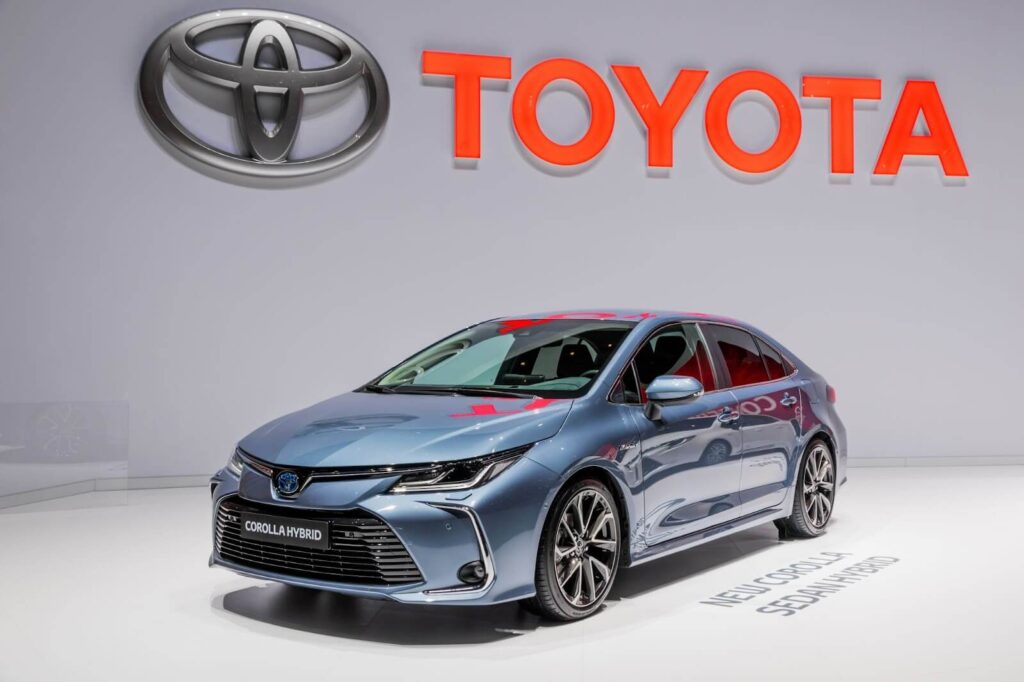
The biggest difference between the hybrid and non-hybrid versions is the powertrain. The Corolla Hybrid combines a gasoline engine with an electric motor and a high-voltage battery. In contrast, the standard Corolla relies solely on a gasoline engine. This “hybrid powertrain” enables major fuel savings and better city driving efficiency, especially in stop-and-go traffic, thanks to regenerative braking and electric motor assist.
What Makes the Hybrid More Efficient?
The hybrid system uses regenerative braking to recharge the battery while driving, particularly in urban environments. When the car slows down or brakes, kinetic energy is captured and stored in the battery instead of being lost as heat. The electric motor can take over during low-speed driving, reducing fuel consumption, and the gasoline engine can shut off when idling — all of which contribute to higher overall efficiency compared to the non-hybrid model.
Fuel economy ratings for the hybrid models reflect these advantages. According to official data, the combined EPA fuel economy for the Toyota Corolla Hybrid ranges approximately from 47 to 52 MPG depending on trim and driving conditions. (fueleconomy.gov)
Real-World Fuel Economy (Owner Feedback)
While EPA ratings offer a standardized benchmark, real-world fuel economy varies based on climate, traffic, speeds, and driving style. Many Corolla Hybrid owners report achieving fuel figures similar to or even better than EPA numbers. In my own experience, I regularly see 48–55 MPG on combined city/highway routes — which over years of commuting has added up to substantial savings.
That said, real-world mileage can dip under certain conditions:
- Cold Weather: Hybrid battery efficiency drops, reducing EV assist and MPG. (NHTSA Corolla Safety)
- Highway Driving: Hybrids excel in the city but may see lower MPG on long highway trips.
- Aggressive Acceleration: Frequent hard accelerations lower overall efficiency.
- Heavy Traffic: Although hybrids benefit from regenerative braking, stop-and-go can still reduce average MPG.
Pros of Toyota Corolla Hybrid (2020–2024)
1. Best-in-Class Fuel Economy
The Corolla Hybrid consistently delivers some of the highest annual fuel economy in its class, making it a great choice for commuters and eco-conscious drivers.
2. Lower Running Costs
Fuel savings can be significant over time, and hybrid systems tend to reduce brake wear thanks to regenerative braking, which slows the vehicle using the electric motor rather than friction brakes.
3. Toyota Reliability and Hybrid Tech
Toyota’s hybrid powertrain has a solid track record, backed by decades of hybrid experience from models like the Prius. Many owners on forums report long life with minimal hybrid-specific issues.
4. Standard Safety Features
All Corolla Hybrid trims come equipped with Toyota Safety Sense, which includes features like adaptive cruise control, lane departure alert, and automatic emergency braking — making it a strong choice for families and safety-minded buyers.
5. Comfortable Interior
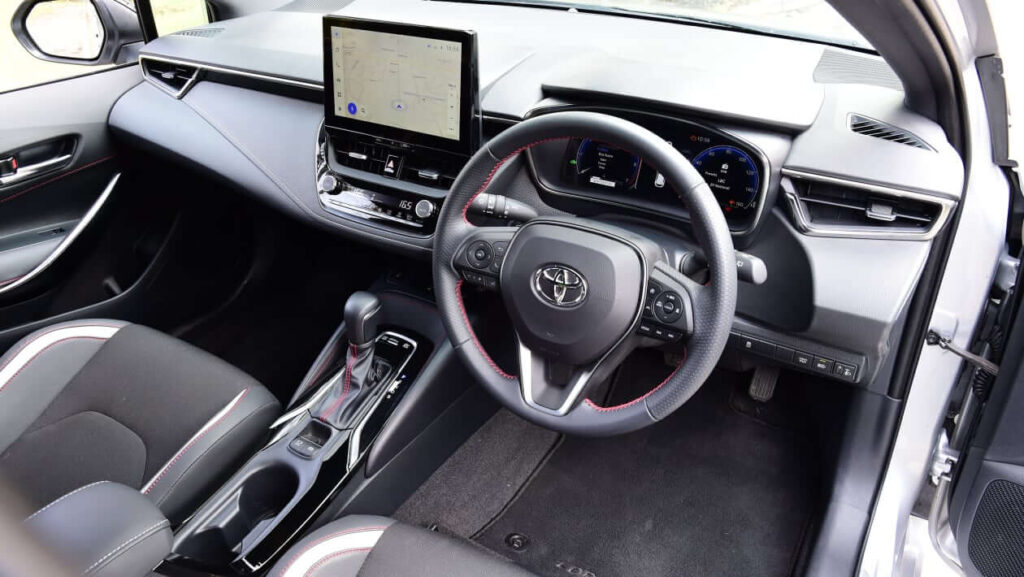
The Corolla Hybrid provides a comfortable cabin with modern infotainment, sufficient rear-seat space, and a smooth ride quality suited for daily commuting.
Cons of Toyota Corolla Hybrid (2020–2024)
1. Higher Upfront Cost
The hybrid version costs more than the gas-only Corolla. While fuel savings offset this over time, the initial purchase price is higher.
2. Slightly Less Power
The hybrid focuses more on efficiency than outright performance, with horsepower figures slightly lower than some gas-only trims, especially sporty SE or XSE versions.
3. Battery Replacement Costs and Concerns
While Toyota hybrid batteries generally last 8–10 years or longer, replacement outside warranty can be expensive. Toyota typically offers hybrid battery warranties up to 10 years or 150,000 miles in the U.S. market. Some owners, however, have reported early battery and 12V battery issues.
4. Some Report Electronics & Infotainment Issues
Owners have also mentioned electronic and infotainment quirks on hybrid models, such as malfunction notifications, sudden loss of acceleration and other system alerts — often requiring dealer visits.
5. Cold Weather Performance Variability
Hybrid batteries are less efficient in cold climates, reducing fuel economy and heating efficiency, as many northern owners have reported.
Common Toyota Corolla Hybrid Issues from Owner Forums
Real owner feedback from communities like Reddit and Toyota Nation highlight some recurring themes:
- Battery & 12V Issues: Intermittent battery drain and failure in some owners’ experiences.
- Hybrid Functionality Loss: Sudden error messages and loss of power reported by some users.
- Mixed Feedback on Comfort & Noise: Some users note road noise, interior comfort concerns, and screen/tech performance differences on long drives.
- Hybrid Reliability Praise: Many owners report long-term reliability with high fuel economy and minimal problems, even past 200,000 miles.
Hybrid Battery Lifespan & Costs
Hybrid batteries in Toyota vehicles — including the Corolla Hybrid — are designed to be durable. Most batteries easily last 8–10 years or more with proper care. In addition, Toyota supports hybrid battery coverage with long warranties in many regions.
Battery replacement cost outside of warranty typically ranges from $2,000 to $4,000+, depending on whether you choose OEM or aftermarket options. Regular maintenance and keeping the battery cool (avoiding prolonged high heat exposure) can help extend battery life.
Recommended Maintenance & Service Links
Keeping your Corolla Hybrid in optimal condition isn’t just about driving habits — it’s also about routine care. Toyota recommends following the official maintenance schedule found in the owner’s manual and service guides.
For official information, visit:
FAQs – Toyota Corolla Hybrid (2020–2024)
1. Is the Corolla Hybrid worth buying?
Yes — especially if you drive a lot in urban or stop-and-go traffic and want significant fuel savings over time.
2. What real-world MPG can I expect?
Most owners report around 45–60 MPG depending on conditions and driving habits.
3. How long does the hybrid battery last?
Typically 8–10+ years or more with proper care and maintenance.
4. Are maintenance costs higher for hybrids?
Routine maintenance is similar to non-hybrids, though hybrid-specific checks (battery cooling, inverter coolant) may be required.
5. Does the Corolla Hybrid need premium gas?
No. The Corolla Hybrid uses regular unleaded gasoline.
6. Can the Corolla Hybrid handle cold climates?
Yes, but cold weather can reduce fuel economy due to battery efficiency loss.
7. Does the Corolla Hybrid have AWD?
Some model years and trims offer AWD, but availability varies by region and year.
8. Are hybrid parts expensive?
Certain components like the high-voltage battery can be expensive outside warranty, but Toyota’s warranty coverage helps mitigate costs.
9. Does regenerative braking reduce brake wear?
Yes — regenerative braking helps preserve brake pads longer compared to traditional systems.
10. Are there recalls or safety issues for Corolla Hybrids?
Like any vehicle, certain hybrid models have been subject to recalls related to brake control programming and electronic systems. Always check with Toyota or the NHTSA for current recall status.
Conclusion – Is the Corolla Hybrid a Good Buy?
The Toyota Corolla Hybrid (2020–2024) remains one of the strongest compact hybrid choices for daily commuters and eco-conscious drivers. It delivers exceptional fuel economy, Toyota’s renowned reliability, a comfortable ride, and a comprehensive suite of safety features. Real owner experiences reflect positive long-term satisfaction, though some owners have reported isolated issues such as battery drain, infotainment quirks, or cold-weather performance drops.
Compared to the gas-only Corolla, the hybrid shines in fuel efficiency and long-term running costs, especially if you cover significant city miles. Integrating this with regular maintenance habits — as detailed in the Toyota maintenance guide — will help you enjoy the most value from your Corolla Hybrid.
Ultimately, if your priority is strong fuel economy and lower daily running costs, the Corolla Hybrid is a worthy investment — and one of the best compact hybrid cars available in its class.