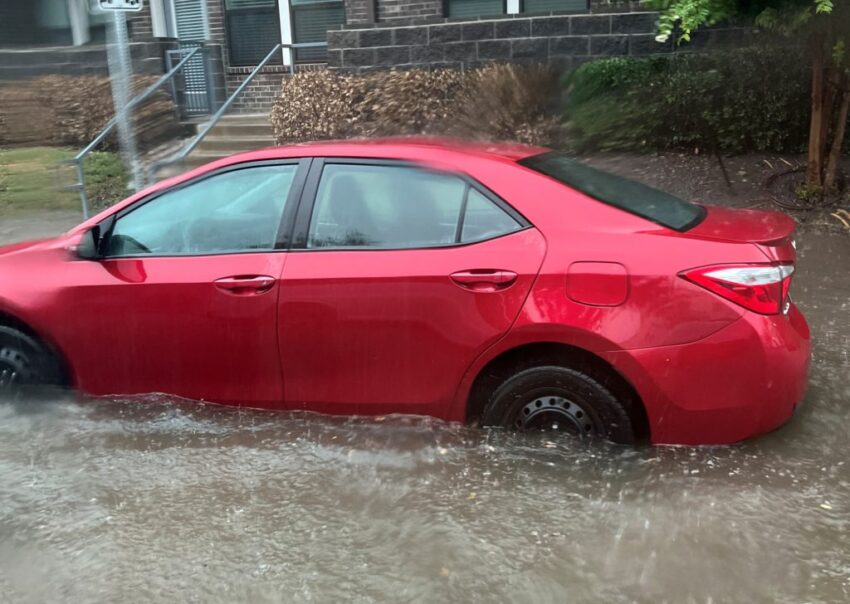
If you own a 12th generation Toyota Corolla (2020–2024) and have noticed water dripping into your doors after a heavy rain, you’re not alone. This is a common issue reported by many Corolla owners, especially those who live in rainy climates or frequently wash their car. While the Corolla is known for reliability, water leaks can still happen due to design factors, wear and tear, or blocked drainage systems.
In this complete guide, we’ll explain why water leaks into Corolla doors after rain, what causes it, how to diagnose the problem, and the best fixes. We’ll also cover real owner reports from forums like Reddit and Toyota owner communities, share my personal experience, and provide a step-by-step fix plan.
Why Water Leaks Into Corolla Doors After Rain
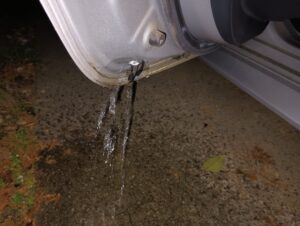
Water entering your door panels after rain is usually not due to a “faulty door.” In most cases, the issue comes from blocked drain holes, damaged weather stripping, or water getting past the window seals. Toyota designs door panels with drainage channels, but if these get clogged, water can pool and leak inside the cabin.
Before you panic, it’s important to understand that some water entering the door cavity is normal. Doors are designed to drain water that gets past the window seals. However, if water reaches your interior carpet, speaker area, or door trim, that means something is wrong.
Common Signs of Door Water Leak
- Water puddles near the bottom of the door or inside the car after rain.
- Wet carpet near the door sill.
- Musty odor inside the car.
- Water pooling behind door panels.
- Foggy windows after rain.
If you notice these signs, it’s time to inspect your door drainage system and weather stripping.
My Personal Experience With Door Water Leak (12th Gen Corolla)
When I first noticed water leaking into my 2022 Corolla after a heavy rain, I was shocked. I expected the Corolla to be completely sealed. The water was only appearing near the bottom of the driver’s door and soaking the floor mat. At first, I thought the car had a serious leak or the door seal was damaged. But after inspecting the door cavity and doing some research, I discovered that the door drain holes were clogged with road dirt and debris.
After cleaning the drain holes and replacing a worn weather strip, the problem stopped completely. Since then, I check the drain holes every few months and keep the door seals clean. This small maintenance task prevented a much larger issue like mold or electrical damage.
How Corolla Doors Drain Water (And Why It Sometimes Fails)
Toyota designs doors with drain channels and holes at the bottom to let water escape. Water can enter the door cavity from:
- Rain running down the window
- Car wash pressure
- Wind-driven rain
- Leaks around the window seals
The water is supposed to flow down the door cavity and exit through drain holes. If these holes get clogged, water backs up and can enter the cabin.
Most Common Causes of Water Leaking Into Corolla Doors
1. Clogged Door Drain Holes
This is the #1 reason water leaks into doors. Over time, dirt, leaves, road grime, and debris accumulate inside the door cavity and block drain holes. Once clogged, water cannot escape and starts leaking into the cabin.
The fix is simple: clean the drain holes and test the flow. You can use compressed air or a thin flexible wire to clear the drain channels.
2. Damaged or Worn Weather Stripping
The rubber weather stripping around the door frame and window can become worn or cracked over time. This allows more water to enter the door cavity than the drain system can handle.
If you notice visible cracks or the rubber feels dry and brittle, replace the weather stripping. A new door seal can solve the leak immediately.
3. Poorly Seated Window Seals
Sometimes the window seal isn’t sitting properly in the channel. This can happen if the window was rolled down too quickly during rain or if the window alignment is slightly off.
A misaligned window seal allows more water into the door cavity, which then leaks into the interior.
4. Faulty Door Panel Moisture Barrier
Behind the door panel is a moisture barrier (a plastic sheet). If it is torn or not properly reattached, water can get through the barrier and into the interior of the car.
This often happens after repairs or if the door panel was removed and not properly reinstalled.
5. Blocked Roof Drainage (Sunroof Models)
If your Corolla has a sunroof, the roof drain tubes can get clogged, causing water to run down into the door area and drip inside. This is less common but still possible.
6. Door Hinge Area and Body Seals
In rare cases, the door hinge area or body seals can be damaged, causing water to flow into the door cavity. This is usually only seen in older vehicles or after an accident.
How to Inspect for Door Water Leak (Step-by-Step)
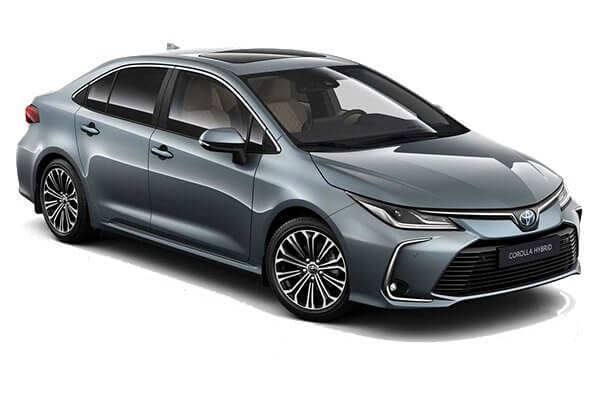
Here’s a simple method to check where the water is coming from:
- Park the car on level ground and open the door.
- Check the bottom of the door for drain holes.
- Use a flashlight to inspect the door cavity.
- Look for wet spots on the moisture barrier.
- Check the door seals and window rubber for cracks.
- Pour a small amount of water over the window and watch for leaks.
If water appears inside the door, you likely have clogged drain holes or a damaged weather strip.
Cleaning Door Drain Holes – DIY Fix
This is the most common fix and often the only one needed. Here’s how to do it safely:
- Use a can of compressed air or a thin plastic tube to blow out debris.
- Do not use metal wire as it can damage the drain hole or paint.
- Test by pouring a small amount of water on the window and watching the flow.
After cleaning, the water should drain quickly from the bottom of the door. If it still leaks, proceed to check the weather stripping and window seals.
Replacing Weather Stripping – What You Need to Know
If your door seal is worn, you can replace it yourself or have a shop do it. The process involves:
- Removing the old weather stripping
- Cleaning the door frame
- Installing new rubber seal
- Checking for proper fit
A good weather strip should feel soft and flexible, not hard or cracked. This can also reduce wind noise and improve cabin comfort.
Reddit & Forum Reports: What Owners Are Saying
Across forums like Reddit and Toyota owner communities, many Corolla owners report water leaks after rain. Here are some common findings:
- Most leaks are caused by blocked drain holes.
- Many owners notice leaks after car washes due to high-pressure water entering the door cavity.
- Some owners found the issue after the door panel was removed for speaker upgrades.
- Most leaks are solved with simple cleaning and weather strip replacement.
These discussions confirm that door water leaks are not a major mechanical failure but a maintenance issue that can be easily fixed if addressed early.
How Water Leaks Affect Your Corolla Long-Term
Water leaks are not just annoying — they can cause serious problems over time:
- Mold and bad odor
- Electrical issues (door speakers, power windows)
- Rust formation inside door panels
- Damage to interior carpet and insulation
If left unchecked, water damage can be costly. That’s why it’s important to fix the leak early.
How to Dry Your Car After a Leak
If your car has been wet inside, follow these steps:
- Remove floor mats and dry them in the sun.
- Use a wet/dry vacuum to remove water from carpet.
- Use a fan or dehumidifier inside the car.
- Leave windows slightly open to allow airflow.
This helps prevent mold and odor from forming.
How Often Should You Check Door Drain Holes?
I recommend checking your Corolla’s door drain holes every 3–6 months, especially if you live in a rainy area. A simple check can save you from costly interior damage.
If you wash your car frequently or drive on muddy roads, check them more often.
Other Common Corolla Water Leak Areas
Water leaks are not always from the doors. Other common areas include:
- Sunroof drains (if applicable)
- Windshield seals
- Rear hatch seals
- Door frame weather stripping
If your leak is not from the door, it could be from these other areas.
How Toyota Maintenance Helps Prevent Water Leaks
Regular maintenance helps prevent many issues, including water leaks. Keeping your Corolla clean and inspecting seals during routine service can prevent leaks before they start.
To keep your Corolla in top condition, follow Toyota’s recommended maintenance schedule:
- Toyota Corolla 2020–2024 Maintenance Schedule (Complete Guide)
- Toyota Corolla Oil Change Guide (Step-by-Step DIY)
- Toyota Corolla Transmission Fluid Change (Automatic & CVT)
Following these guides ensures your Corolla stays reliable and leak-free for years.
When to Seek Professional Help

If you cannot find the source of the leak or the problem persists after cleaning and seal replacement, it’s time to visit a professional. A certified Toyota technician can:
- Inspect door drains and seals
- Remove door panels safely
- Check for damaged moisture barrier
- Inspect window alignment
A professional inspection can save you from recurring leaks and future damage.
10 FAQs About Water Leaking Into Corolla Doors After Rain
1. Why is water coming into my Corolla door after rain?
Most commonly due to clogged drain holes, damaged weather stripping, or window seal problems.
2. Is it normal for a little water to be in the door?
Yes, some water inside the door cavity is normal. The issue is when it leaks into the cabin.
3. How do I check my door drain holes?
Open the door, locate the drain holes at the bottom, and use compressed air or a plastic tube to clean them.
4. Can car washes cause door leaks?
Yes, high-pressure water can force water past seals and into door cavities.
5. Do I need to replace the weather strip?
If the seal is cracked or worn, replacing it can fix the leak completely.
6. What happens if I ignore the leak?
Mold, rust, electrical problems, and carpet damage can occur over time.
7. Can I fix it myself?
Yes, cleaning drain holes and replacing weather stripping is often a DIY fix.
8. Why does my door smell musty after rain?
Water trapped inside the door or carpet can cause mold and musty odor.
9. Does Toyota cover door leaks under warranty?
It depends on the cause. If it’s due to manufacturing defects, it may be covered. Wear and tear usually isn’t covered.
10. How can I prevent future leaks?
Check drain holes regularly, clean seals, and avoid high-pressure car washes.
Conclusion: What to Do If Water Leaks Into Your Corolla Doors
Water leaking into your 12th generation Toyota Corolla doors after rain is a common issue, but it is usually fixable with simple maintenance. Most leaks occur due to clogged drain holes or worn weather stripping. By checking your door drain holes, cleaning them regularly, and replacing seals when needed, you can prevent water damage and keep your Corolla dry and comfortable.
If the leak continues after cleaning and seal replacement, a professional inspection is recommended to identify hidden causes such as window alignment or a damaged moisture barrier. With timely action, you can avoid costly repairs and maintain your Corolla’s reliability for years.
To ensure long-term protection, follow Toyota’s recommended maintenance schedule and keep your vehicle’s seals and drains in good condition. This small effort will save you from big problems later.
Check out our other articles on 12th generation Toyota Corolla commons issues and fixes:
- Toyota Corolla 12th Gen Recalls List – What Owners Should Check Right Now
- Toyota Corolla 12th Gen CVT Whining Noise at Low Speed – Causes & Fixes
- How to fix Toyota Corolla Infotainment Screen Lag or Freezing (2019–2024)
- 12th Generation Toyota Corolla Jerky Acceleration or Shuddering (CVT Models Explained)
- Toyota Corolla Door Lock Not Working on One Side (Common 12th Gen Issue)
- 12th Generation Toyota Corolla Interior Rattling Noise While Driving – Dashboard & Door Fixes
- How to fix 12th Gen Toyota Corolla Steering Wheel Clicking or Play
- 12th Generation Toyota Corolla Sudden or Hard Braking Problem – Toyota Safety Sense Explained
- Does the 12th Gen Toyota Corolla Burn Oil? Owner Reports & What’s Normal